
Last updated November 2, 2026
 Wrought iron
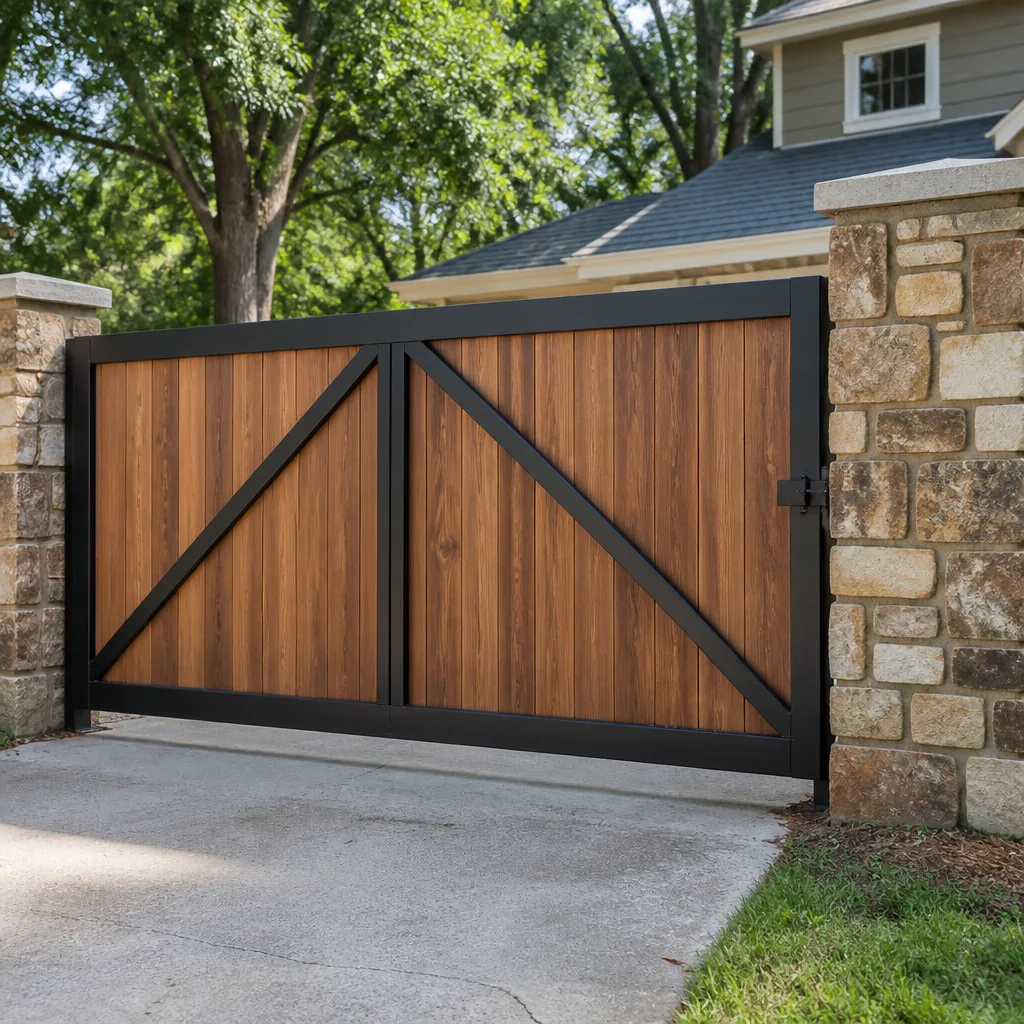 Wood & steel frame
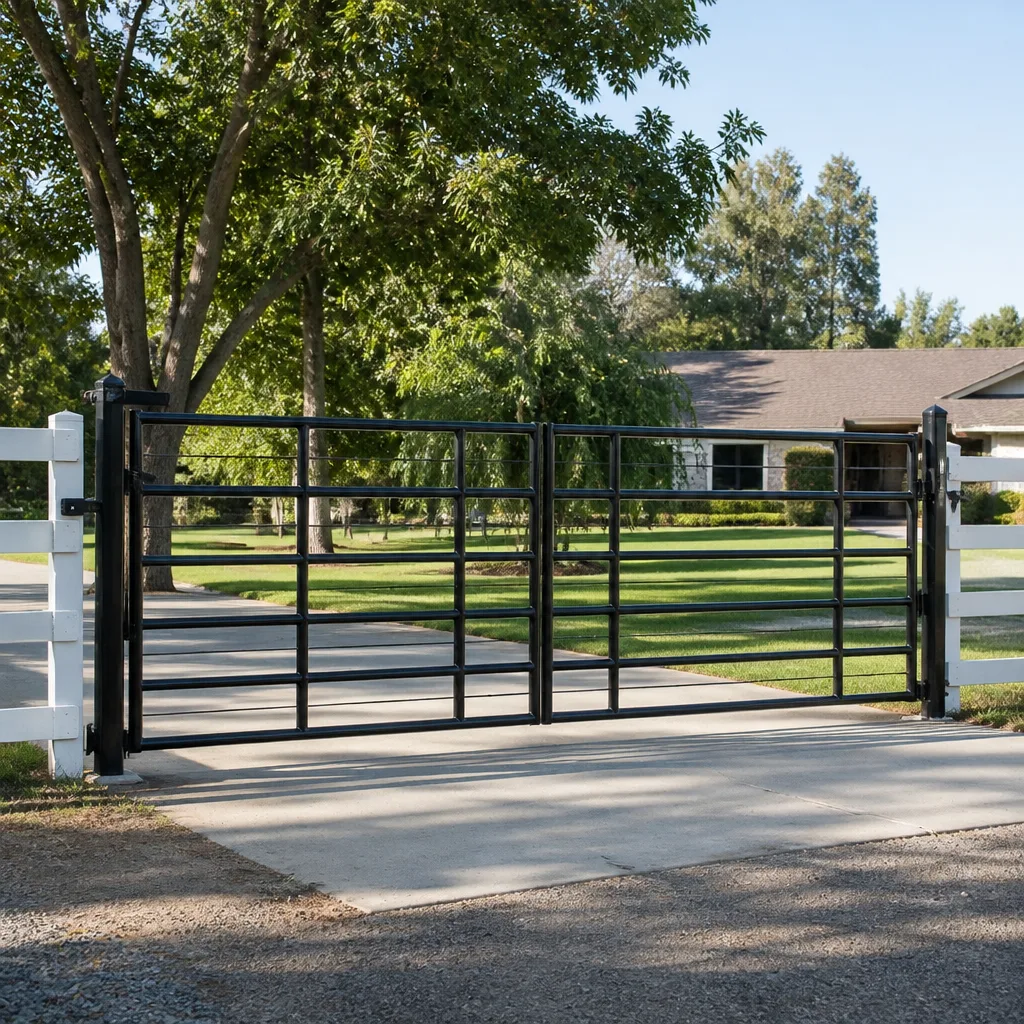 Farm & ranch
 Sliding driveway gates
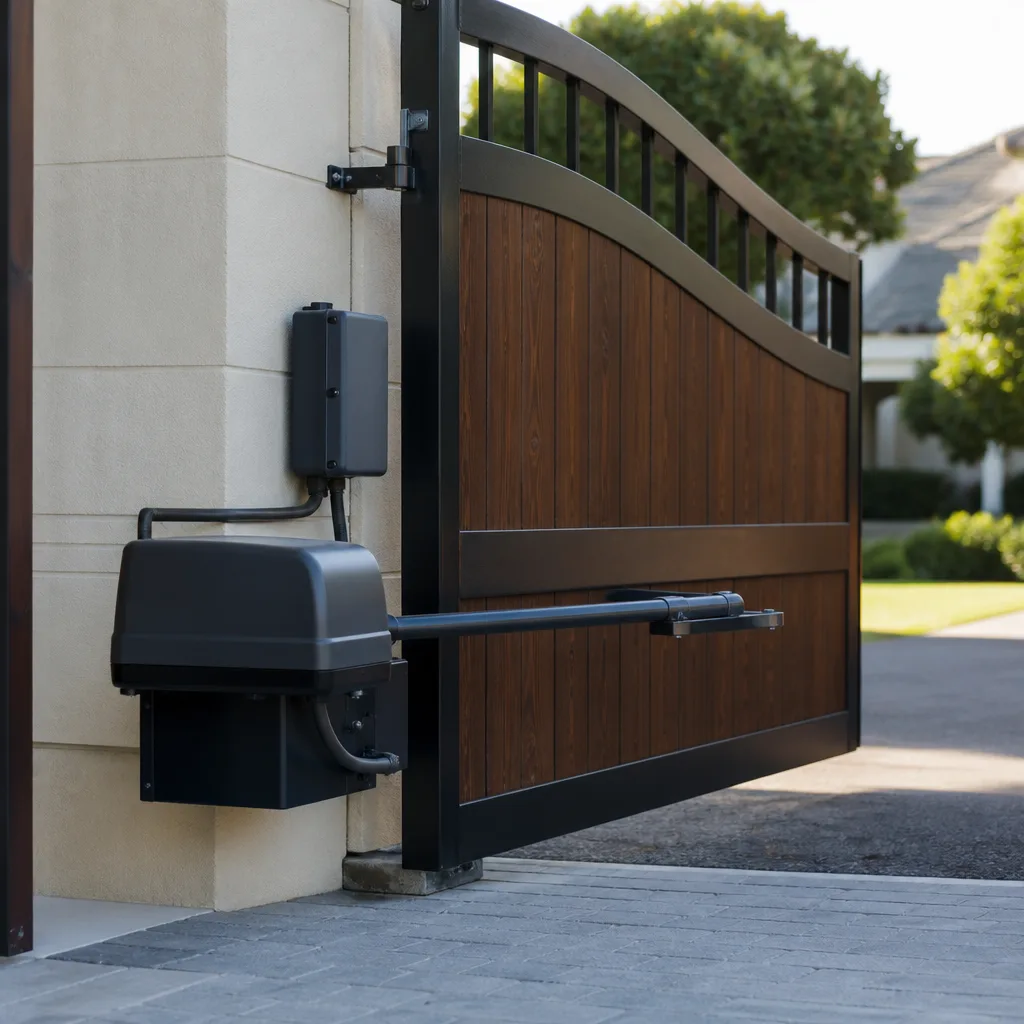 LiftMaster operators
Free on-site gate assessment - hinges, posts, and your LiftMaster or Nice gate operator checked before anything is quoted
The assessment is free and the quote is the invoice.
Get your free estimateSeasonal Gate Repair Care for San Marcos: Year-Round Homeowner’s Guide
San Marcos gate operators fail most frequently in October, and it’s rarely the rain. By the time the first Santa Ana winds arrive in late September, nine months of deferred maintenance have quietly accumulated: dust packed into motor housings, hinges worn from summer heat expansion, and control boards corroding from months of marine layer humidity. Those two weeks of wind are simply what pushes a weakened system over the edge. This guide walks through San Marcos’s four distinct maintenance windows so you can handle the right tasks at the right time and avoid the October scramble entirely.
Quick Answer
Seasonal gate care in San Marcos means four maintenance windows: pre-Santa Ana prep in late September, thermal checks during summer heat months, drainage and corrosion work before winter rain, and marine-layer moisture control through spring and early summer. A homeowner can handle most of this in under two hours per season. The tasks that require a professional are ones involving high-tension springs, control board wiring, and operator motor adjustments, which need a trained gate specialist to do safely.
Styles & brands we work with
- Wrought iron
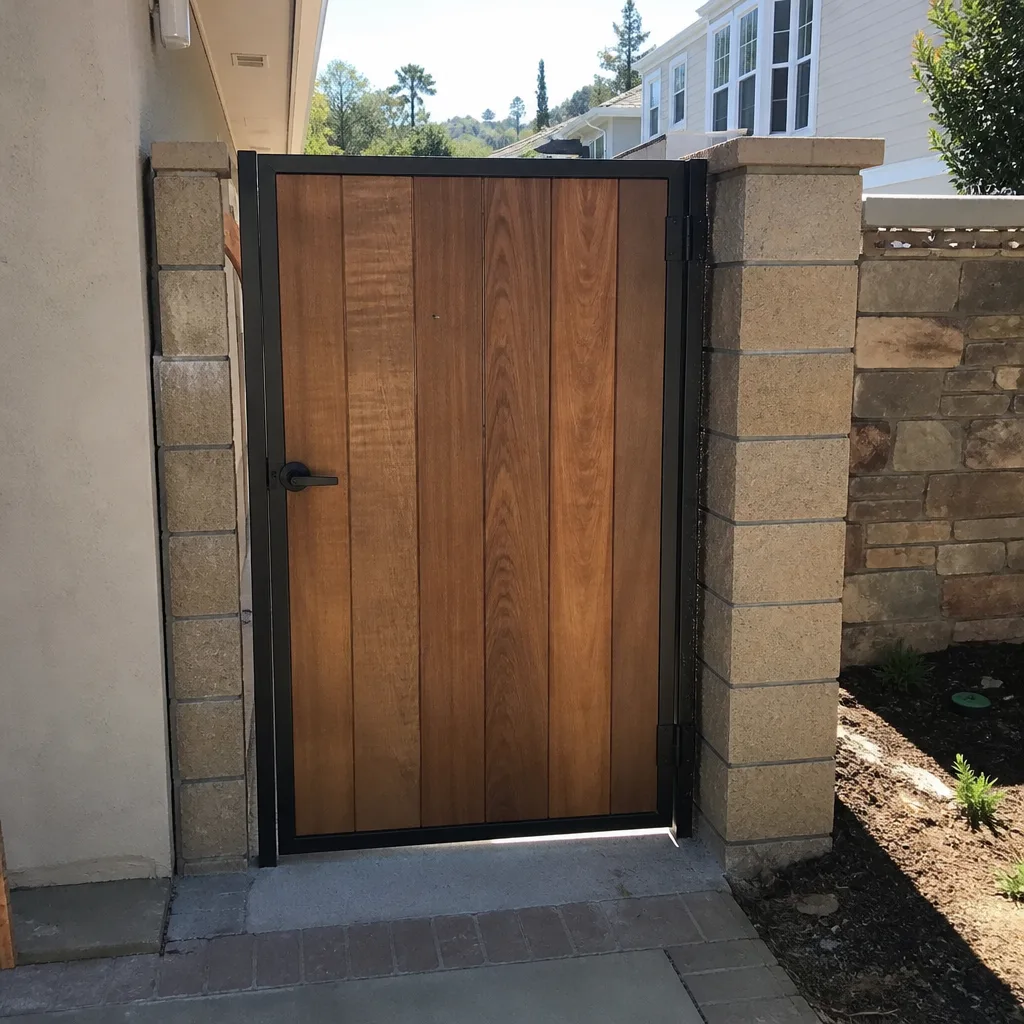
- Wood & steel frame
- Farm & ranch
- Sliding driveway gates
- LiftMaster operators
Table of Contents
- Pre-Santa Ana Season Prep: Late September
- Summer Heat Protocol for Gate Operators
- Marine Layer Moisture and Control Board Corrosion
- Winter Rain Preparation: Drainage and Corrosion
- Spring Recovery: Post-Rain and Transitional Checks
- The Month-by-Month San Marcos Gate Care Calendar
- Common Mistakes to Avoid
- When to Call a Professional
- Frequently Asked Questions
Pre-Santa Ana Season Prep: Late September
The Santa Ana winds that hit San Marcos don’t just carry hot air. They push fine dust, dry leaves, and loose debris from the surrounding hills into every opening of a gate system. In our work on gates across San Marcos, we consistently see motor housings packed with debris after the first wind event of fall. The dust is fine enough to work its way past gaskets and settle on circuit boards, where it combines with any residual moisture to create a conductive film. That film is what causes boards to short or behave erratically. This is not a slow decline. Boards can fail within days of heavy dust exposure.
Late September is the window to act. The winds typically arrive in October, sometimes as early as the last week of September. Here’s the prep sequence we recommend for San Marcos homeowners:
- Inspect and clean the motor housing vents. Most operators have small cooling vents that pull in ambient air. Dust-clogged vents force the motor to run hotter. Use a soft brush or compressed air to clear them before the wind season starts.
- Tighten all hinge and bracket bolts. Wind gusting against a solid gate panel creates repeated torque on the hinge points. A bolt that’s 10 percent loose becomes 40 percent looser after one wind event. This is a five-minute check.
- Check the gate’s latching mechanism at both open and closed positions. During high winds, a gate that doesn’t fully latch will bang back and forth. That impact force travels through the gate arm and directly into the operator gears.
- Clear the gate track or swing path of loose material. Even a small rock lodged in a slide gate track will cause the operator to strain and trip its obstruction circuit.
- Verify photo-eye sensor alignment. Debris moving through the gate opening during wind events can trigger false obstruction signals. A misaligned sensor will do the same. Both cause the gate to reverse or refuse to close.
If your system uses a Viking, Linear, or BFT operator, the prep steps are the same, but the control board sensitivity settings differ. A specialist who works across those brands can adjust sensor thresholds in minutes rather than replacing parts. That’s the practical difference between electric gate repair work that restores a system and repair work that guesses at the problem.
Summer Heat Protocol for Gate Operators
San Marcos regularly sees summer daytime temperatures in the high 80s and 90s, with stretches above 100 degrees. On a gate in direct afternoon sun, the surface temperature of the operator housing can exceed 140 degrees. Inside the housing, the motor and control board run hotter still. Every operator has a thermal shutoff circuit to prevent permanent motor damage, and in San Marcos, those circuits get triggered far more often than manufacturers’ service manuals anticipate.
Here’s what actually happens during a heat wave for San Marcos homeowners: the gate works fine in the morning, fails at 3 p.m., and mysteriously works again after sunset. That’s a thermal shutoff. The operator isn’t broken. It’s doing what it was designed to do when the motor exceeds its safe operating temperature. The problem is that repeated thermal trips degrade the motor windings over time. Let it happen often enough and the motor will fail outright.
The summer protocol has three parts:
- Adjust the auto-close timer. Most residential gates are set to close 15 to 30 seconds after opening. On hot days, shortening that window reduces the time the operator sits in standby, which is the period when the board and motor idle at high temperature. Setting auto-close to 10 seconds during summer months reduces the heat load appreciably.
- Clear vegetation from around the operator housing. Bushes and tall grass that crowd the operator block the limited airflow the housing gets. Keep at least 18 inches of clearance around the operator box during summer months.
- Schedule cycle-heavy tasks in the morning. If your gate is opened and closed repeatedly for a delivery, landscaping, or a party at your San Marcos home, running those cycles in the morning when ambient temperatures are lower means the motor stays within its duty cycle. In late afternoon heat, repeated cycles are what push the motor past its thermal threshold.
FAAC and BFT operators, which are common on San Marcos properties with European-style automated gates, generally have robust thermal protection. Linear and Viking systems also trip on heat, though the reset behavior differs. For any of these, the same principle applies: manage duty cycle during heat waves and the shutoff trips become rare. We cover this more fully in our gate repair in San Marcos page, but the short version is that most summer failures are preventable by managing cycles and airflow.
Marine Layer Moisture and Control Board Corrosion
San Marcos sits far enough inland that it doesn’t get the heavy fog that blankets Carlsbad and Encinitas, but the marine layer still reaches the city often enough to matter. May and June are the peak months. On those overcast mornings, humidity levels sit at 80 to 90 percent for hours before the sun burns through. That damp, salty air settles on exposed metal surfaces and finds its way into gate control boxes.
Coastal North County moisture accelerates control board corrosion in a way inland maintenance guides never address. The mechanism is electrochemical: trace salt from ocean air mixed with high humidity creates a conductive layer on circuit boards, and when the board’s own low voltage passes through that layer, copper traces begin to corrode. The corrosion is visible as a green or white film on solder joints and connector pins. Left unchecked, it leads to intermittent failures that are famously hard to diagnose: gates that open but won’t close, sensors that trip randomly, keypads that work intermittently.
The practical response to marine layer moisture in San Marcos is straightforward:
- Check the control box gasket twice a year. The gasket is the primary barrier against moist air. If it’s cracked, flattened, or missing a section, the box is effectively open to the elements.
- Inspect for corrosion during spring. May and early June are the right time to open the control box and look for green residue on connections. Catching it early means cleaning and resealing rather than board replacement.
- Keep conduit fittings tight. Loose conduit is a frequent entry point for moist air into a gate control box. A quarter-turn on a conduit nut takes seconds and prevents months of slow moisture exposure.
- Test the keypad and intercom faceplate. Exposed keypads and call boxes take the brunt of marine layer moisture. If buttons become unresponsive during damp mornings but work again by afternoon, that’s a sign of internal corrosion building.
Control board corrosion is rarely something a homeowner can fix at the board level, and it’s not something you should attempt as a DIY repair. Boards under moisture stress can behave unpredictably. If you open your control box and see visible green or white corrosion, the right move is to have the board and its connections evaluated by someone who works on electric gate systems regularly, not a general contractor.
Winter Rain Preparation: Drainage and Corrosion
San Marcos doesn’t get heavy rain months like the Pacific Northwest, but when the rain does come, between December and March, it often arrives in concentrated bursts. A single storm can drop more water on a gate system than the prior six months combined. The failures that follow winter storms are almost always drainage problems that have been sitting unattended since the previous year.
The most common winter rain failure we encounter: a slide gate track that dips slightly at one end, so water pools in the track. The gate continues to work, but the submerged track and rollers run wet day after day, accelerating rust. Eventually the bearings seize or the track itself degrades. The fix is a track level adjustment, which is an afternoon job, but the damage from a season of wet operation can require track replacement.
For swing gates, the water problem shows up at the hinge posts. San Marcos soil is largely decomposed granite, which drains well, but when a hinge post’s concrete footing has settled or cracked, water pooling around the base seeps into the post and accelerates internal rust. A gate that starts to sag slightly at the far end after winter is a sign the hinge post has been compromised.
Winter rain preparation should happen in November, before the first significant storm. Here’s the checklist:
- Check drainage at the base of both gate posts. If water pools after rain, add a small channel or regrade so water moves away from the post base.
- Inspect the slide gate track for low spots. Run a level along the track. Any dip of more than a quarter inch over a four-foot section is a pooling risk.
- Clean and seal any exposed wire terminals. Gate systems have low-voltage wiring that terminates in connectors exposed to air. A dab of dielectric grease on exposed terminals prevents what would otherwise be a direct short during the first wet week.
- Test the ground loop detector. Most automatic driveway gates use an inductive ground loop to detect vehicles. Saturated soil changes loop sensitivity. If the gate behaves differently after rain, the loop likely needs a sensitivity adjustment.
- Run the gate through two full open-close cycles while it’s raining. This isn’t a test of whether it works. It’s a listening exercise: listen for grinding, sluggish movement, or hesitation that comes only under wet conditions. Those sounds point to specific problems before they become full failures.
For property managers handling multiple gates across San Marcos apartment complexes and commercial sites, the November walk-through is the single highest-leverage hour of gate maintenance all year. The issues found in that hour are the issues that would have become emergency calls in January.
Spring Recovery: Post-Rain and Transitional Checks
By late March, the rain has mostly passed, and San Marcos gates enter the driest period of the year. Spring is the season for recovery and correction: fixing whatever winter exposed and preparing for the long dry stretch ahead. It’s also the season we recommend for any deferred repair work, because the mild spring temperatures mean components seat well and adjustments hold.
The spring recovery protocol has five parts:
- Tighten everything that winter loosened. Rain softens soil, which allows posts to shift microscopically. When a post shifts, every bolt on that side of the gate carries slightly more load. Go around with a wrench and check every hinge bolt, bracket bolt, and track fastener you can reach.
- Lubricate hinges and rollers properly. Use a dry silicone spray or white lithium grease, depending on the component. Avoid WD-40 for long-term lubrication, it displaces moisture but doesn’t provide lasting wear protection. Hinges should move without grinding. Rollers should roll, not slide.
- Inspect the full gate panel for rust. Run your hand along the bottom edge and around welded joints. Surface rust in March is an easy touch-up job with a wire brush and rust-inhibiting paint. The same rust in August has likely eaten through the metal.
- Verify the gate’s balance. A properly balanced swing gate should stay in position when opened halfway. If it swings closed or open on its own, the hinges are worn or the post has shifted. An improperly balanced gate forces the operator to work against gravity on every cycle, which shortens motor life significantly.
- Reset seasonal programming adjustments. If you shortened the auto-close timer for summer, spring is the time to restore the normal setting. If you adjusted sensor sensitivity for wet conditions, dry conditions may now require a slight different threshold.
Spring is also the most common time for San Marcos homeowners to schedule gate installation projects for the year ahead. The reasoning is practical: a gate installed in spring settles into its post footings during the dry summer months and is fully stable by the time winter rain arrives. A gate installed in November faces wet soil conditions while the concrete is still curing, which is a less forgiving environment.
The Month-by-Month San Marcos Gate Care Calendar
Here’s the complete year, compressed into a single reference. This calendar is built around San Marcos’s actual climate patterns: dry Santa Ana winds in October, heat in July and August, marine layer moisture in May and June, and concentrated rain between December and March.
January
Mid-winter rain period. After any heavy storm, check the gate track for pooling and the gate posts for soil erosion. Run the gate through two full cycles while the ground is still wet and listen for abnormal sounds. This is a monitoring month more than an action month.
February
Rain continues. Inspect wire terminals and control box for moisture intrusion. If your gate has been slower than usual after rain, note whether the behavior correlates with wet conditions. Correlation is diagnostic information that helps a technician identify the root cause in one visit.
March
Last rain month in most San Marcos years. Begin spring recovery: check for rust, tighten bolts, and lubricate hinges and rollers. This is the best month for any repair work that’s been deferred because March weather is mild and components seat well.
April
Full dry-season prep. Verify gate balance, inspect the gate panel for damage, and confirm sensor alignment. If the gate was sluggish in winter but works fine now, that suggests a moisture-related issue that needs attention before the next wet season.
May
Marine layer moisture month. Open the control box and check for any green or white corrosion on board traces and connectors. Check the keypad function on an overcast morning, when humidity is highest. Early detection this month can prevent a board replacement that would otherwise happen in September.
June
Continued humidity exposure. Verify the control box gasket seals properly and conduit fittings are tight. If the gate has shown any intermittent behavior this month, that’s a classic corrosion indicator. Don’t reset and hope; have the board checked.
July
First serious heat month for San Marcos. Start enforcing cycle discipline: avoid repeated open-close cycles during mid-afternoon. Keep vegetation cleared from around the operator housing. Monitor for thermal shutoff behavior in late afternoon.
August
Peak heat month. If the gate trips its thermal cutoff even once, schedule a service call before the problem compounds. A motor that’s tripping once in August will likely start tripping multiple times in September, and each trip shortens motor life.
September
Pre-Santa Ana prep month. Clean motor housing vents, tighten all hinge and bracket bolts, clear the gate path, and verify sensor alignment. This is the single most important month for most San Marcos gate systems.
October
Wind season begins. After the first Santa Ana event, re-check all bolts and inspect the motor vents for dust accumulation. If your gate fails this month, the root cause was almost always deferred maintenance from summer, not the wind itself.
November
Winter rain prep month. Check drainage, inspect track low spots, apply dielectric grease to exposed terminals, and test ground loop sensitivity. This is the highest-leverage maintenance hour of the year for property managers.
December
First rain month. Run the gate through wet-condition cycles and listen for any change in operation. If the gate behaves differently in rain, note the specific behavior; the right technician will use that information to diagnose the problem in one visit.
This calendar is designed to be simple enough that a San Marcos homeowner can follow it without special tools or technical knowledge. Most checklist items take minutes, not hours. The objective isn’t to turn homeowners into gate technicians; it’s to catch problems before they become failures. For anything on this calendar that feels outside your comfort zone, the fastest path to a fixed gate is a specialist who sees these same seasonal patterns across hundreds of San Marcos properties every year. We’ve put together a more complete reference for structural and mechanical work on our Gate Repair in San Marcos page.
Common Mistakes to Avoid
- Lubricating an electric gate without disconnecting power. Even with the operator switched off, some systems hold residual charge. Any lubrication work near the motor should be done with the system fully powered down at the breaker.
- Using WD-40 as a long-term hinge lubricant. WD-40 is a moisture displacer, not a persistent lubricant. Hinges and rollers need white lithium grease or dry silicone for proper wear protection. Choose the right product or the lubrication won’t last a month.
- Ignoring a gate that’s slightly slower than it used to be. Gradual slowdown is the most common early warning sign of motor or gear wear. A gate that takes two extra seconds to open may be signaling that the operator is working harder than it should. Waiting until it stops means a bigger repair bill.
- Adjusting limit switches to compensate for a sagging gate. If a gate is sagging, the hinges or posts are the problem. Adjusting the operator’s limits to compensate is a workaround that masks the underlying issue and puts more strain on the motor. Fix the gate, then set the limits.
- Skipping the pre-Santa Ana bolt check because “it worked fine last year.” Every year that a bolt goes unchecked, it works a little looser. The failure doesn’t happen gradually; it happens suddenly when wind loads push past the bolt’s remaining grip. A five-minute check in September prevents an October failure.
- Running the gate through repeated cycles during peak afternoon heat. Each cycle adds heat to the motor. During a San Marcos heat wave, running five cycles in a row at 3 p.m. is the fastest way to trip the thermal cutoff. Spread cycles out or move them to morning.
- Waiting until a gate fails completely before calling anyone. The vast majority of gate failures develop gradually over weeks or months. By the time a gate stops working entirely, the repair is almost always more expensive than it would have been at the first sign of trouble.
When to Call a Professional
Some gate issues are clear DIY territory: clearing a track, tightening a visible bolt, spraying hinges with lubricant. Others require a trained specialist, and the line between the two isn’t always obvious. Here’s where the line sits in our experience working on San Marcos gate systems.
Control board failures. If the gate behaves inconsistently, opens but won’t close, or trips its breaker repeatedly, the problem is likely in the control board. Board-level work requires voltage testing, and the wrong test can damage the board permanently. Sagging or stiff gate movement. When a gate requires physical effort to move, the hinges, posts, or rollers have a structural problem. Continuing to run the operator against that resistance will destroy the motor. Thermal cutoff trips. If the gate stops working in heat and resumes after sunset, the motor is overheating. The cause could be anything from a failing capacitor to insufficient duty-cycle capacity for the gate’s weight. Diagnosis requires electrical testing. Any work involving the gate motor or operator. Gate operators contain high-tension springs and electrical components that can cause serious injury if mishandled. This is not a place for guesswork. Gate Repair San Marcos offers free estimates in San Marcos – call (877) 798-8589 and we’ll send a gate specialist to diagnose the issue correctly. We work exclusively on gates, which means the person who shows up has seen your exact problem before.
Frequently Asked Questions
Once a year is the minimum, with twice a year ideal. The two critical windows in San Marcos are late September (before Santa Ana winds) and early November (before winter rain). Annual service should include bolt tightening, hinge and roller lubrication, control board inspection, sensor alignment, and limit switch verification. A specialist who works on gates daily will also catch subtle warning signs that a homeowner wouldn’t recognize.
That’s almost certainly a thermal shutoff. San Marcos afternoon temperatures in direct sun push the operator motor past its safe operating threshold, and the thermal protection circuit trips to prevent permanent damage. The gate returns to normal once it cools down. Repeated thermal trips degrade the motor, so the right response is to reduce afternoon cycle load, clear vegetation around the operator housing, and have the motor’s duty cycle assessed if trips continue.
A typical annual maintenance visit for a residential automatic gate in San Marcos ranges from $150 to $300, depending on the system’s complexity and condition. Repairs found during maintenance are quoted separately before any work proceeds. We provide upfront pricing, and every price is agreed before work begins. Call (877) 798-8589 for a specific quote on your gate.
Yes. San Marcos gets enough marine layer moisture in May and June that control boards in poorly sealed enclosures develop corrosion on their connection points. The failure starts as intermittent behavior and eventually becomes a full board failure. Checking the control box gasket and looking for early corrosion each spring prevents most of these failures.
We work on systems from nine major manufacturers, including FAAC, BFT, Linear, Viking, LiftMaster, Ghost Controls, DoorKing, Elite, and Mighty Mule. Because our technicians work across those brands daily, we diagnose root causes rather than defaulting to replacing parts unnecessarily. If you have a gate that another company couldn’t fix, it’s worth a second look from a gate specialist.
Stop using the gate and disconnect power at the breaker. A grinding noise means metal is wearing against metal somewhere in the drive system, and every additional cycle adds wear. Continuing to operate the gate turns a repairable condition into a replacement job. Call us at (877) 798-8589 and we’ll diagnose the source of the noise. Estimates are free.
The Bottom Line
San Marcos gate failures are remarkably predictable. The gates that fail in October are the ones that skipped September prep. The gates that seize in January are the ones that ignored November drainage checks. The gates that corrode in summer are the ones that never had their control boxes inspected in spring. No one needs to become a gate technician to follow this guide. The calendar is built for a homeowner with a basic toolkit and an hour per season. For everything beyond that comfort zone, a specialist who focuses exclusively on gates will get you back to a working system faster and with fewer repeat visits than a generalist ever will. We’re Gate Repair San Marcos, and we’re here when you need us at (877) 798-8589.
Written by the team at Gate Repair San Marcos, serving San Marcos since 2011.
See the difference
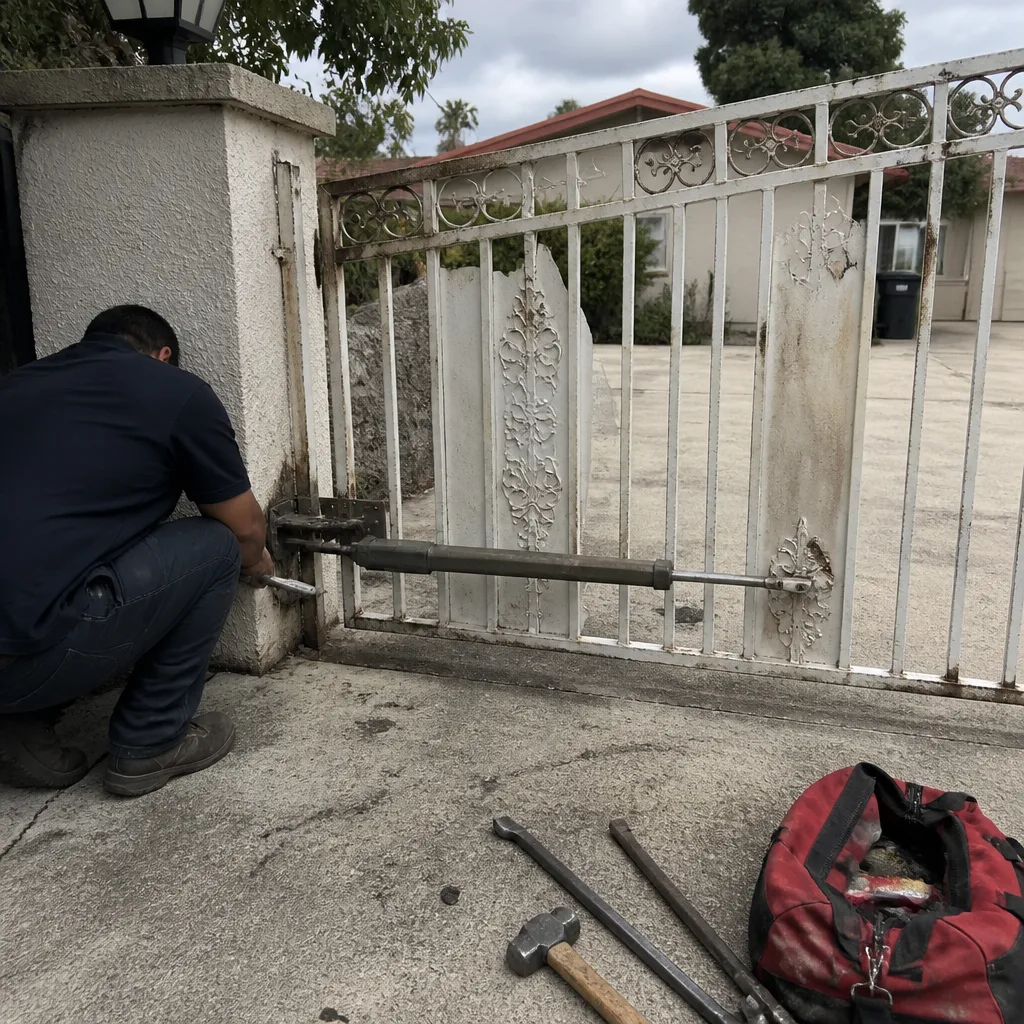 Before
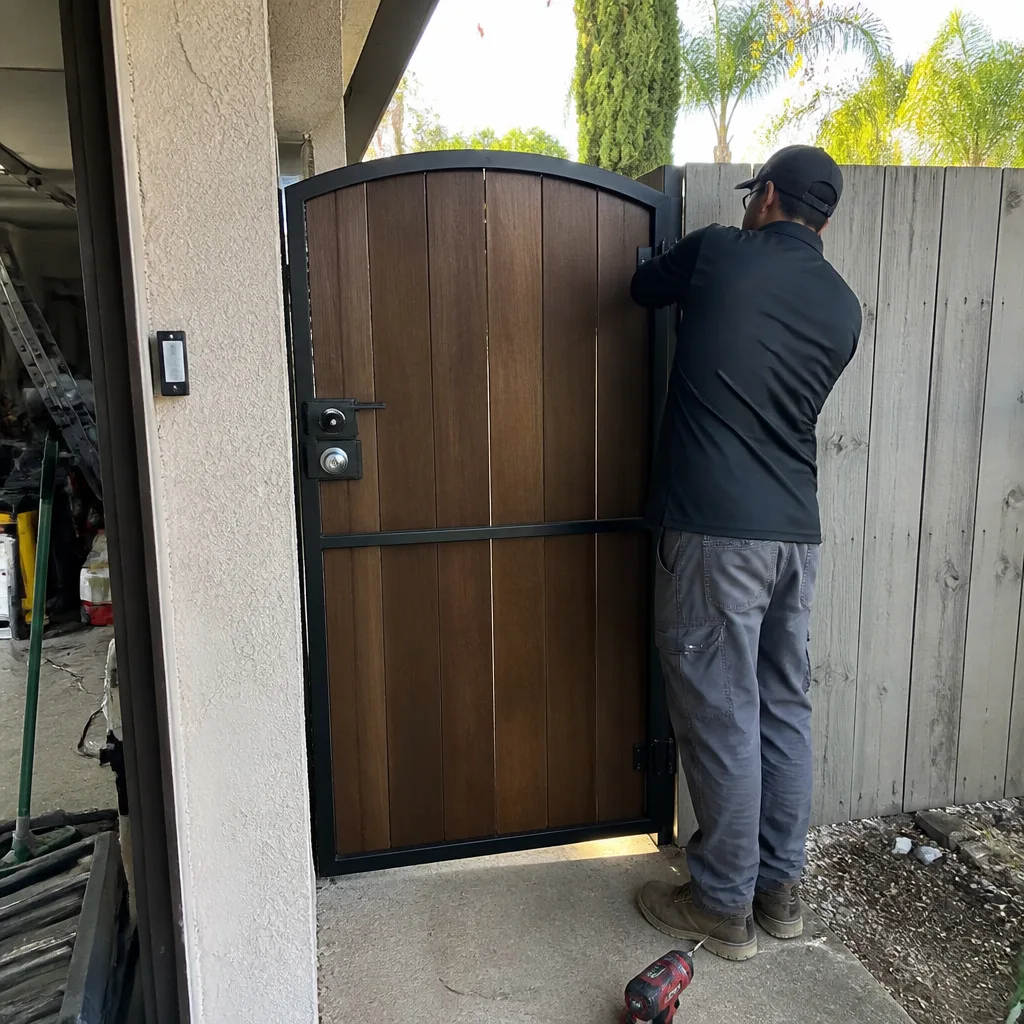 After
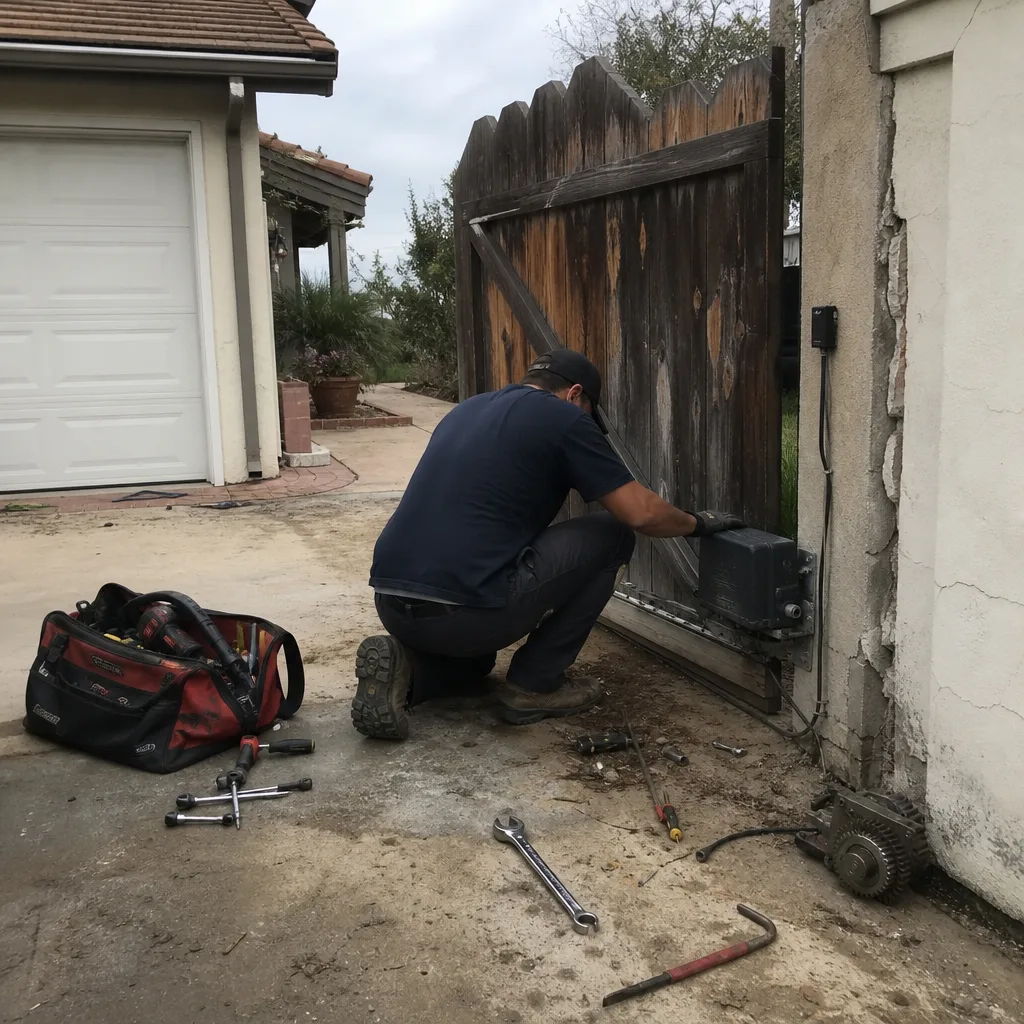 Before
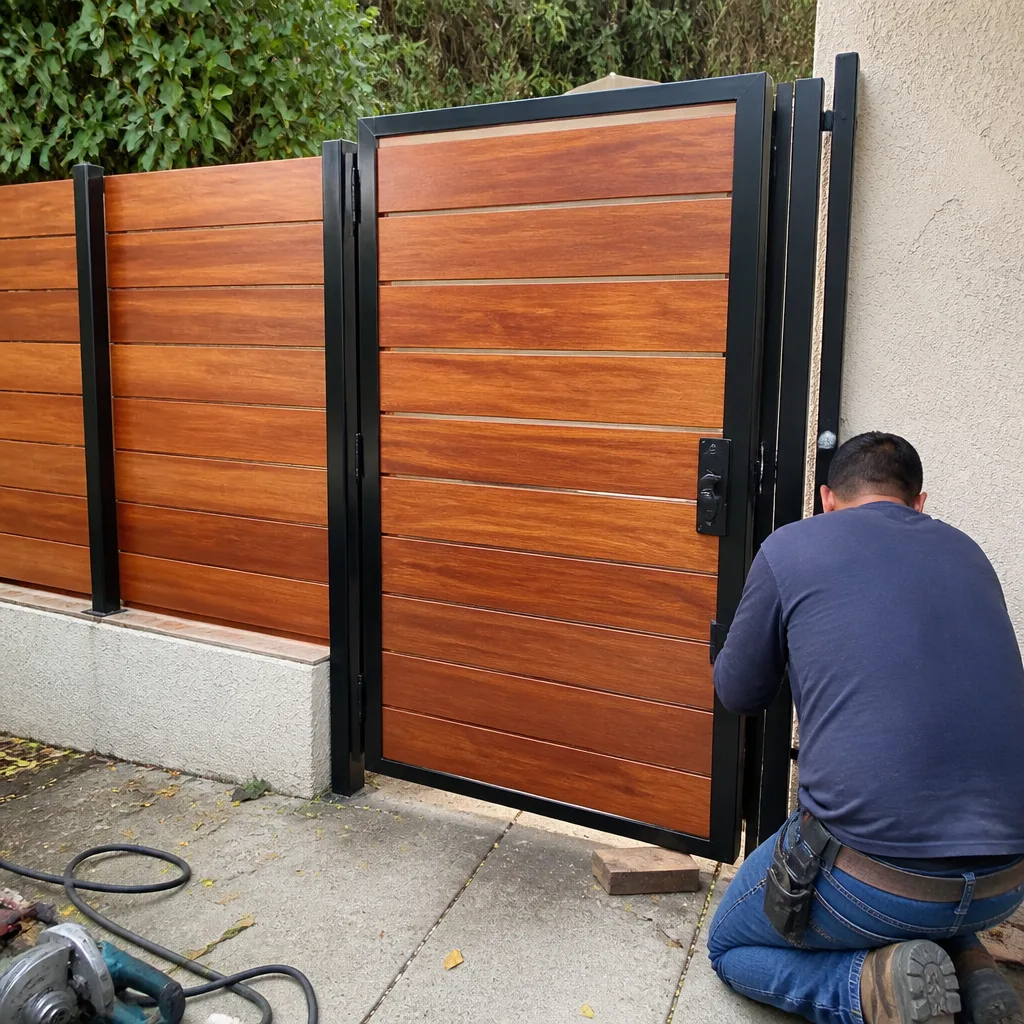 After
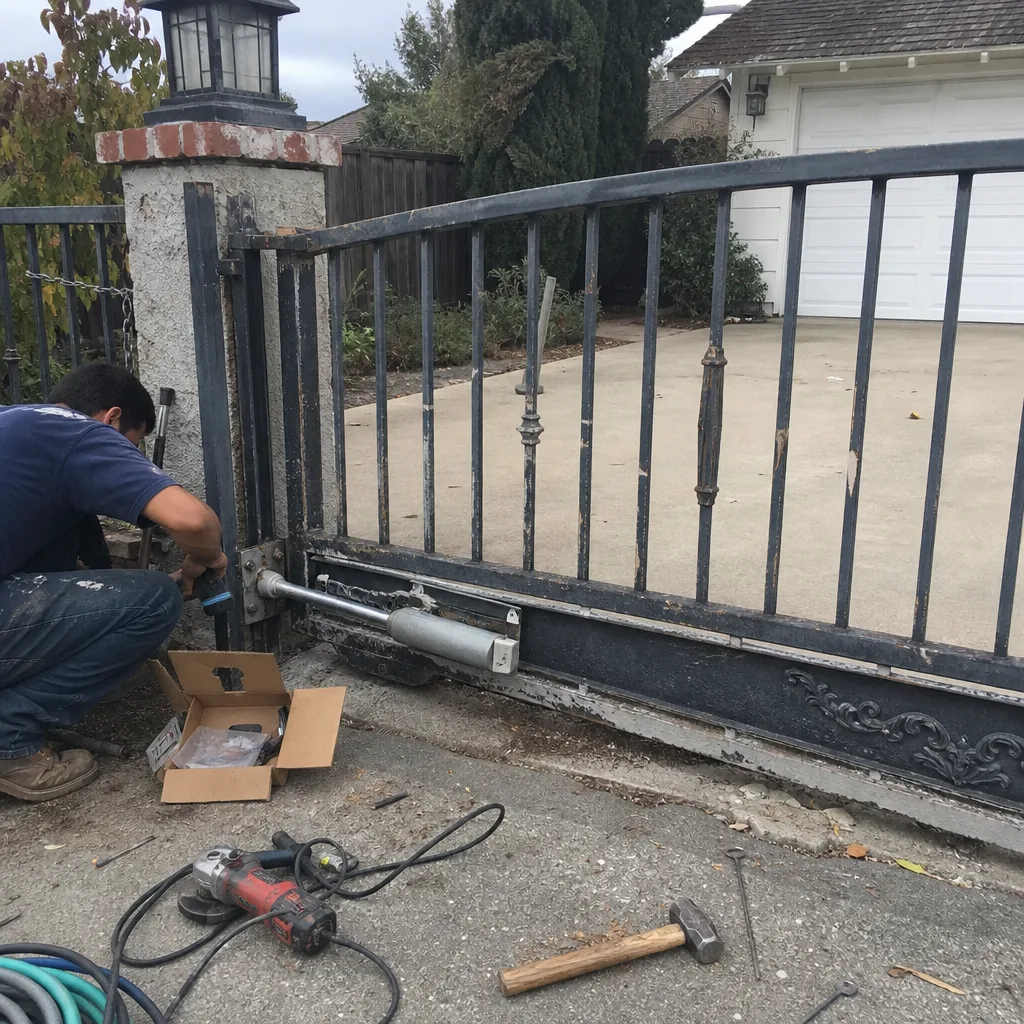 Before
 After