
Last updated November 2, 2026
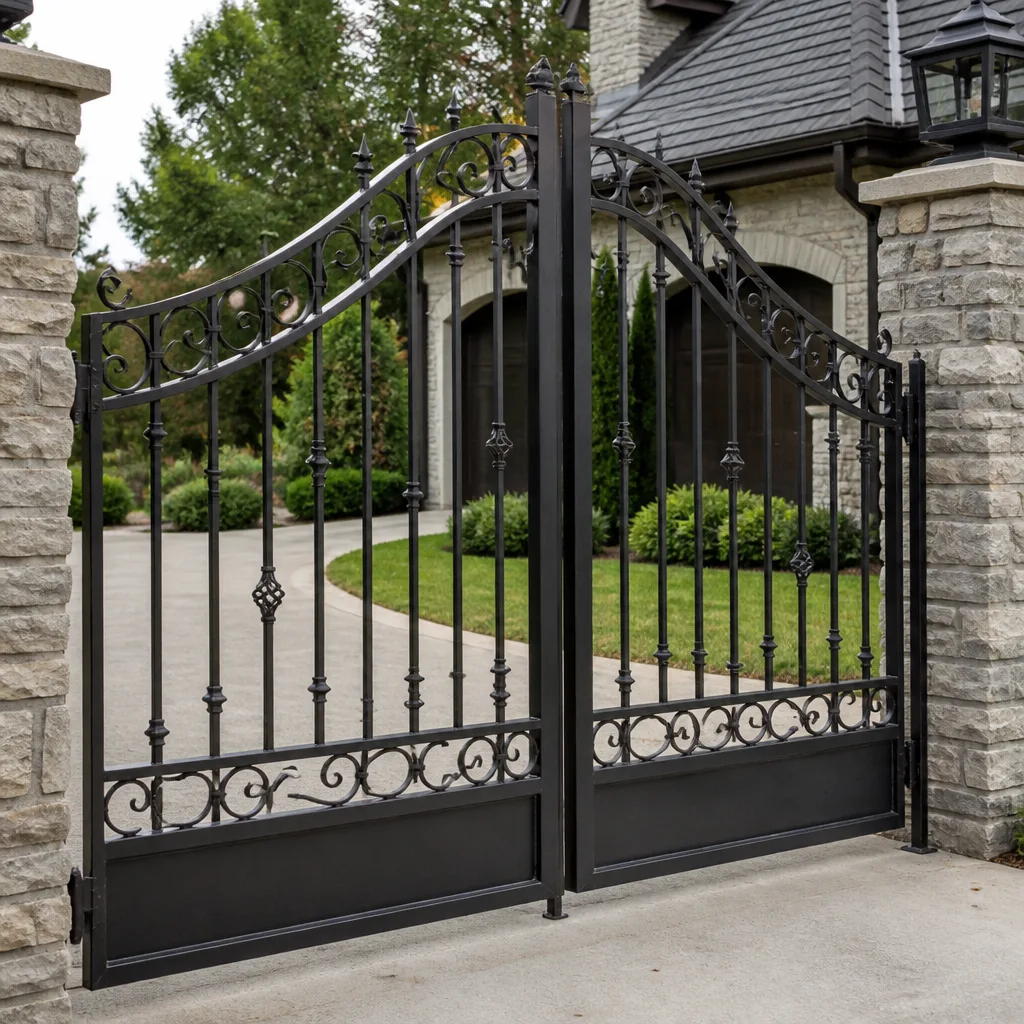 Wrought iron
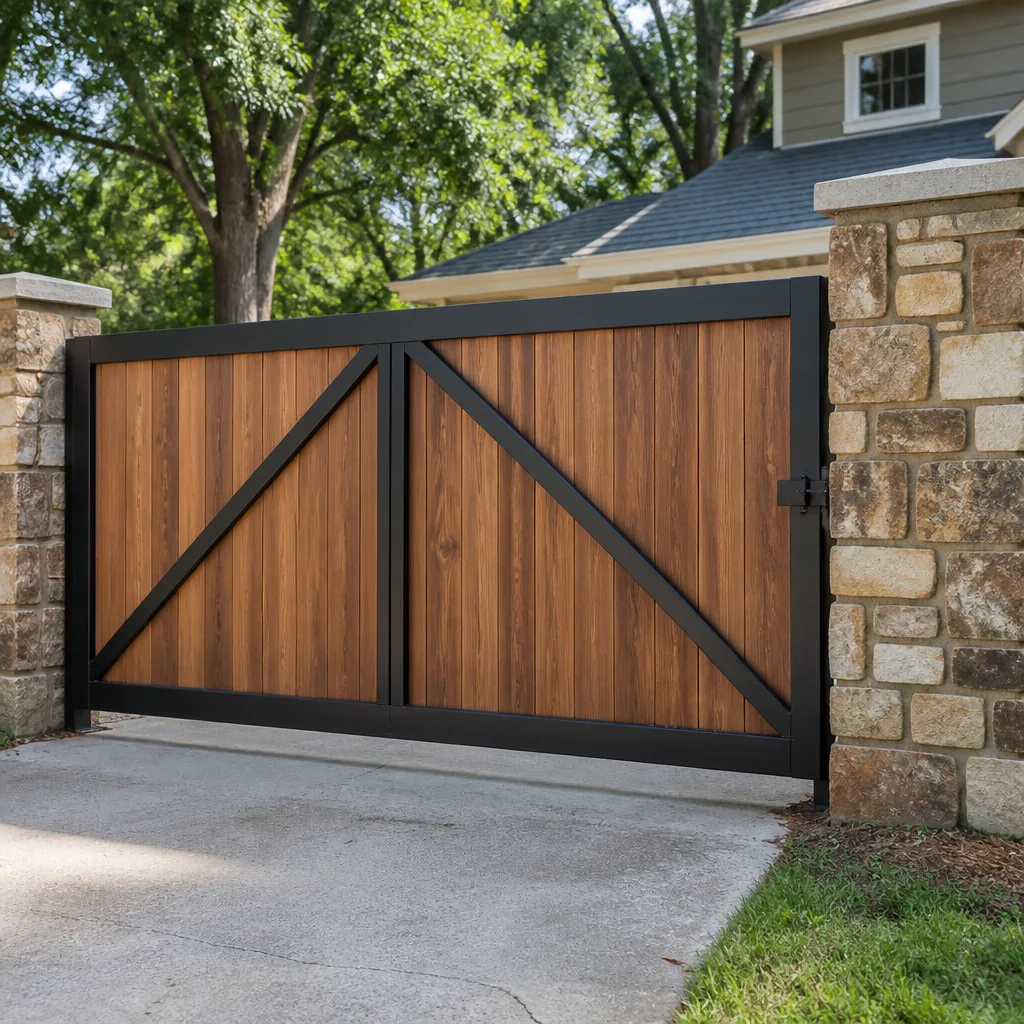 Wood & steel frame
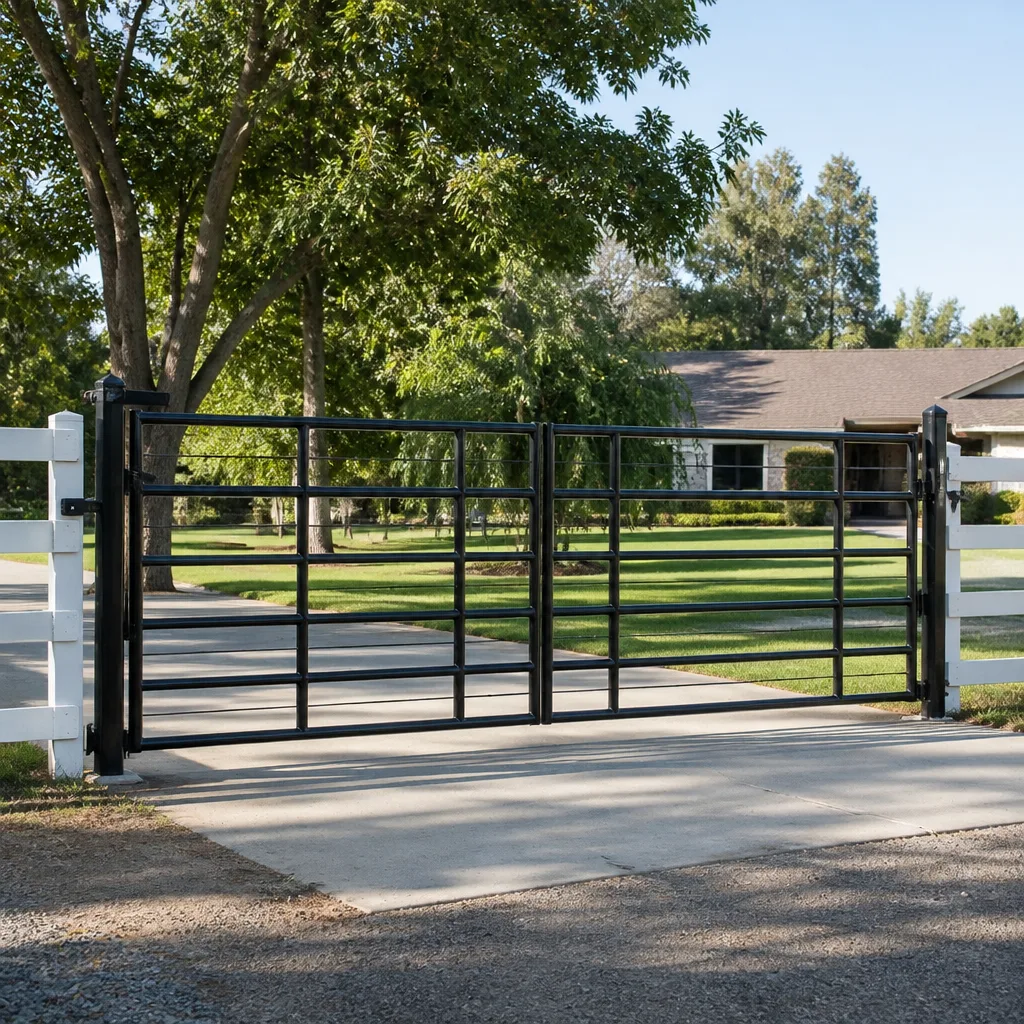 Farm & ranch
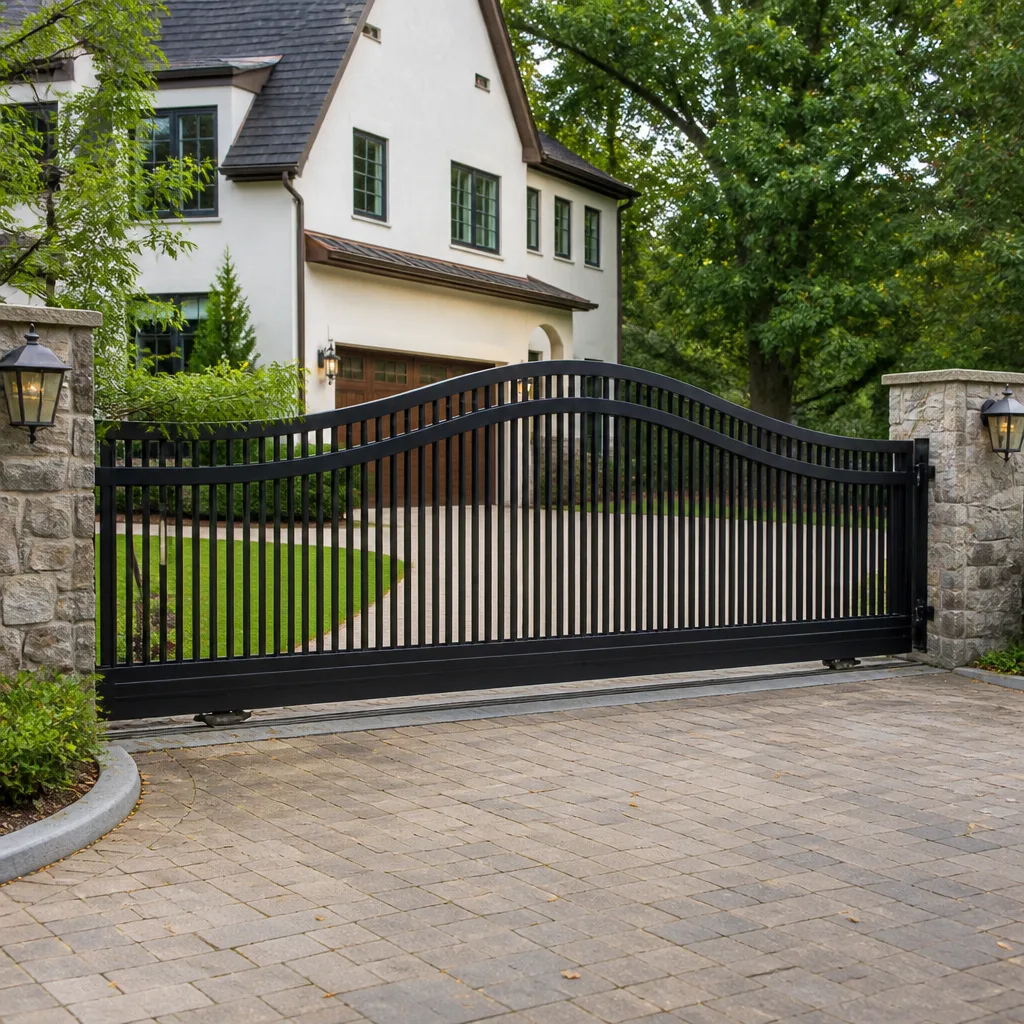 Sliding driveway gates
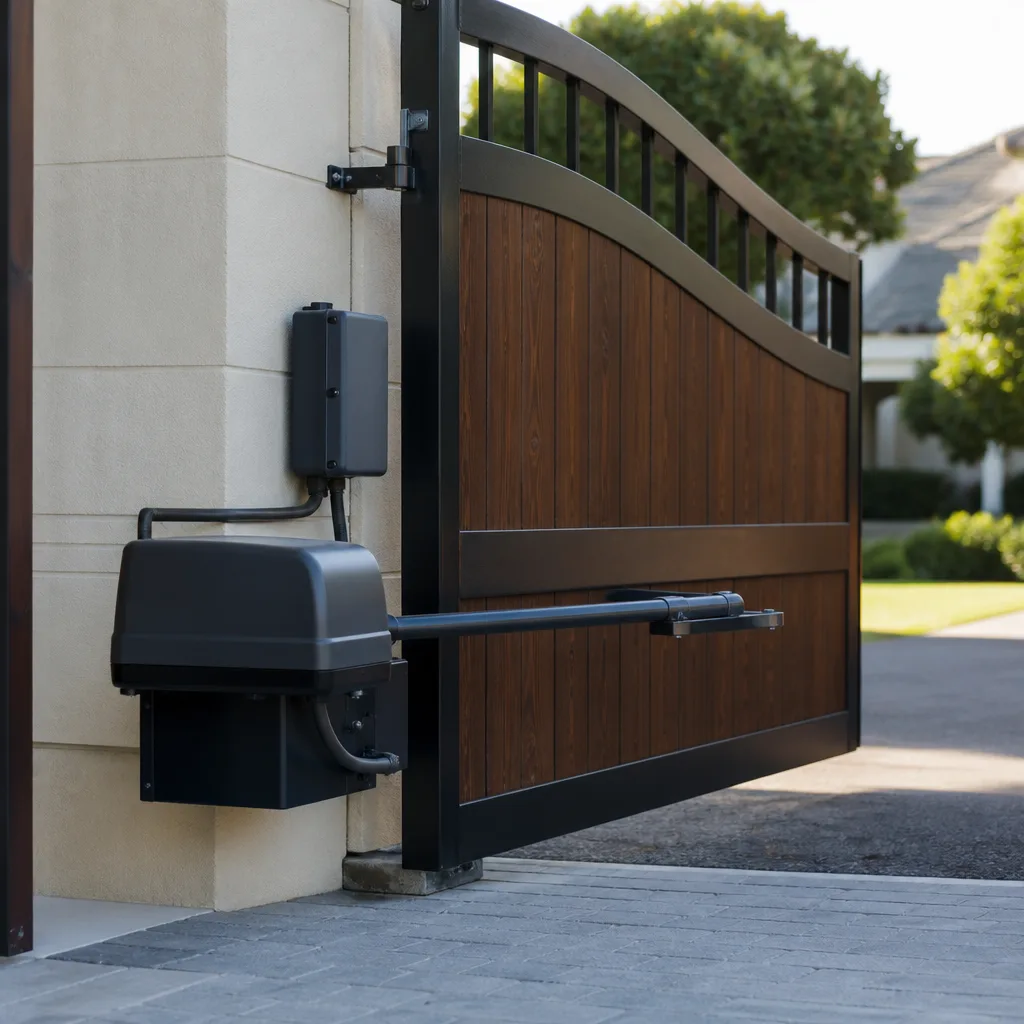 LiftMaster operators
Free on-site gate assessment - hinges, posts, and your LiftMaster or Nice gate operator checked before anything is quoted
The assessment is free and the quote is the invoice.
Get your free estimateGate Repair Permits, Codes & Inspections in CA: What You Need to Know
Most California homeowners assume any change to an automatic gate triggers a building permit. That assumption costs people weeks of delays on simple repairs, and ironically, leaves them exposed on the work that actually matters. In San Marcos, where hillside properties and long driveways make automatic gates standard rather than luxury, the line between “repair” and “installation” is drawn more narrowly than you’d expect. Replacing a failed circuit board or a bent gate arm rarely requires anything from the city. Moving a gate post, changing the gate’s swing direction, or adding a motor to a manual gate almost always does. This guide explains exactly where that line sits under California Building Code, how San Diego County and San Marcos enforce it, what UL 325 safety requirements mean for your inspection, and what happens when unpermitted work surfaces during a home sale. For hands-on help, see our Gate Repair services.
Styles & brands we work with
- Wrought iron
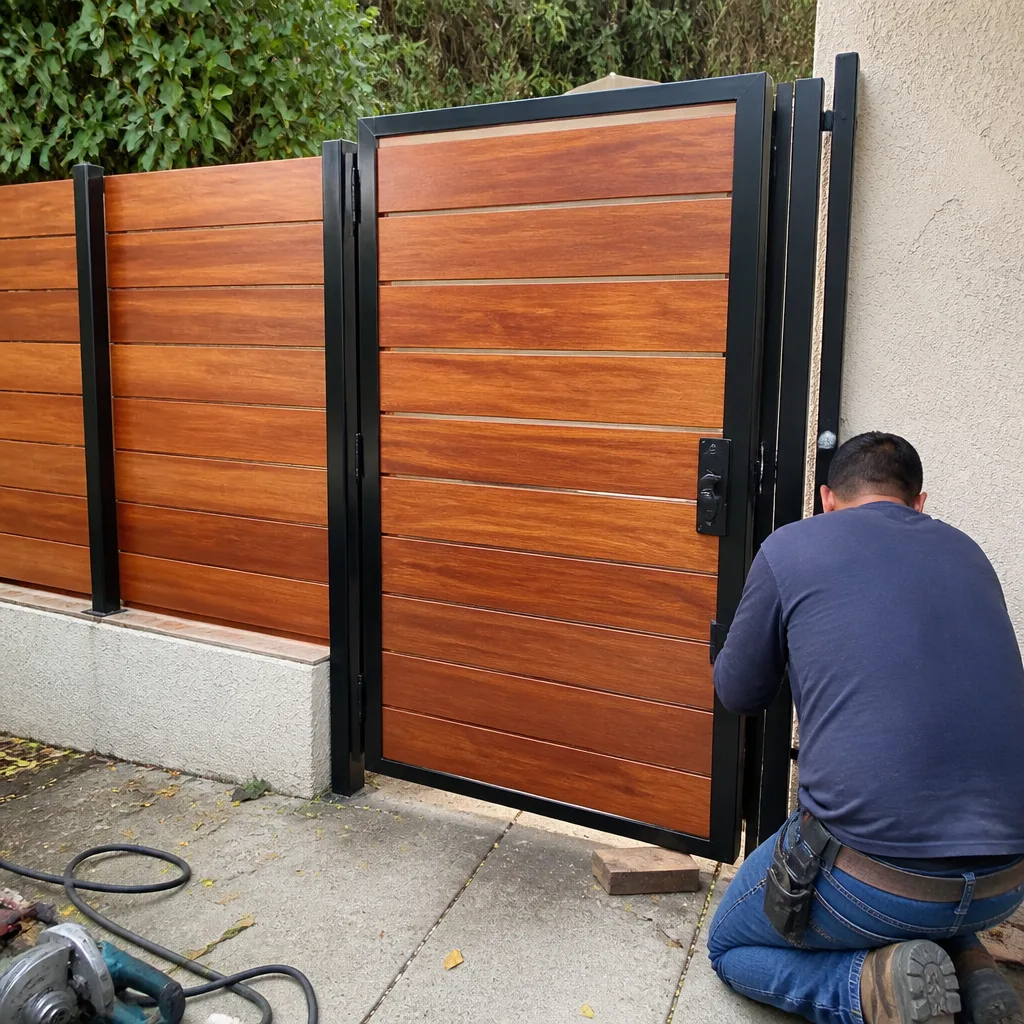
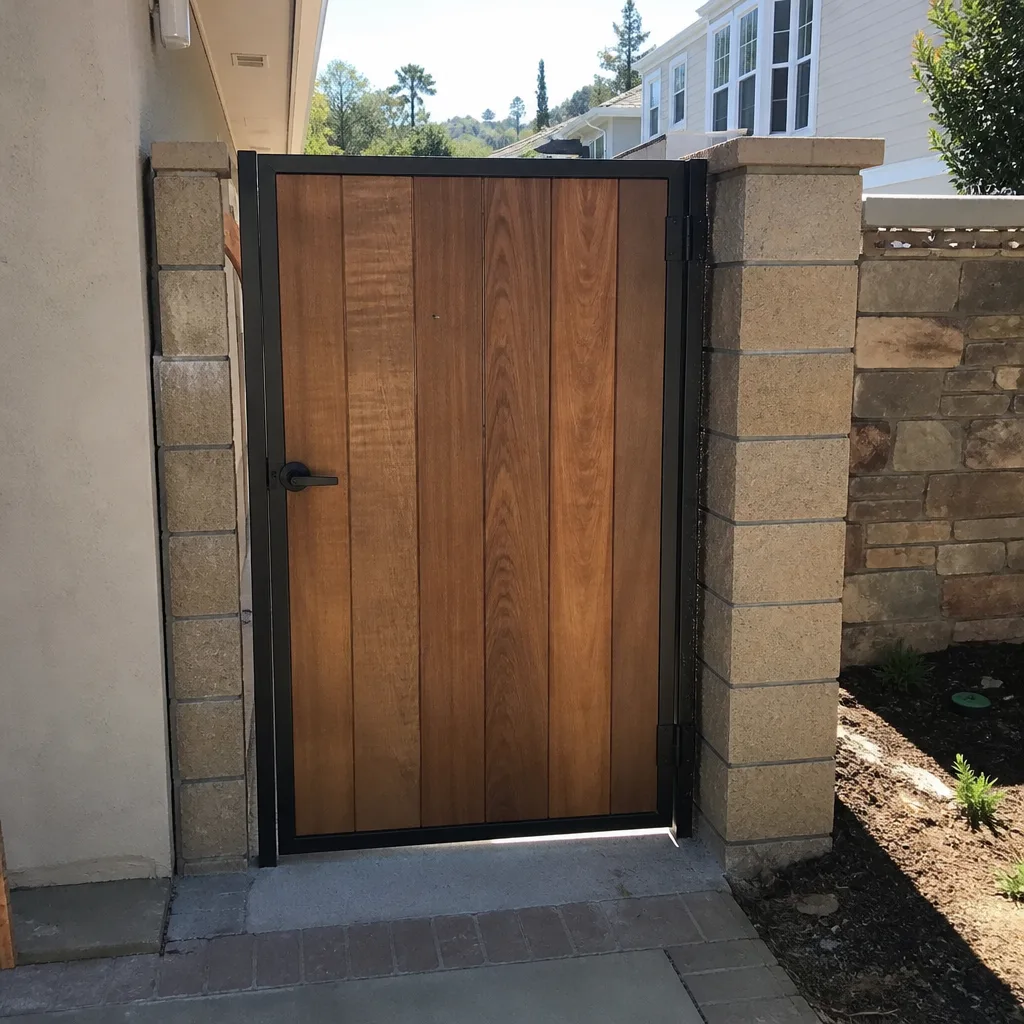
- Wood & steel frame
- Farm & ranch
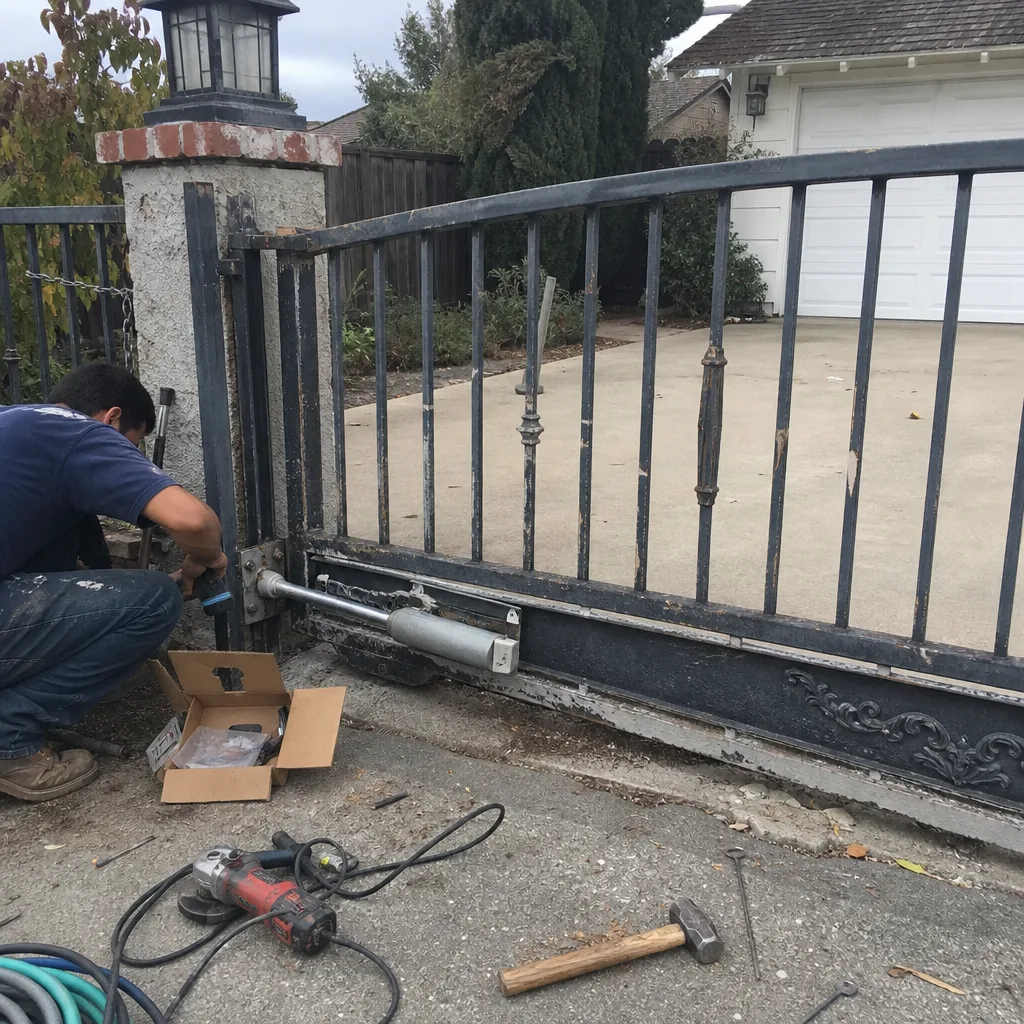
- Sliding driveway gates
- LiftMaster operators
Quick Answer
In California, repairs that restore a gate to its original design and performance, without changing structural elements or adding new powered components, generally do not require a permit. Work that changes a gate’s size, location, structural supports, or adds an operator to a previously manual gate does require a permit, along with UL 325 compliance on any automated operator. When in doubt, the trigger is scope: same-for-same replacement is repair; anything that changes how the gate is built, anchored, or powered is installation.
Table of Contents
- Where California Draws the Line: Repair vs. Installation
- San Marcos & San Diego County: What Local Enforcement Looks Like
- UL 325 Compliance: What Inspectors Actually Check
- HOA Approval vs. Municipal Permits: Two Separate Processes
- Unpermitted Gate Work and California Home Sales: Real Consequences
- How to Determine Your Permit Requirement Without Waiting Two Weeks
- What a Gate Inspection Covers: A Step-by-Step Walkthrough
- Common Mistakes to Avoid
- When to Call a Professional
- Frequently Asked Questions
- The Bottom Line
Where California Draws the Line: Repair vs. Installation
California Building Code (CBC) Chapter 1, Section 105 exempts “minor repairs” from permit requirements, but the definition of minor is doing a lot of work in that sentence. The state’s standard, adopted by San Diego County and the City of San Marcos, treats a repair as work that restores something to its prior condition without altering its structure, size, or function. A permit is required when the work changes the gate’s structural components, relocates the gate, alters the opening dimensions, or adds new electrical service to a gate that didn’t have it before.
Here is the practical breakdown we use when a San Marcos homeowner asks whether their job needs a permit:
Repairs That Typically Do NOT Require a Permit
- Replacing a failed operator motor with an identical or equivalent model from the same manufacturer
- Swapping a damaged control board, loop detector, or safety sensor on an existing automated gate
- Replacing worn hinges, rollers, or gate arms with same-size components
- Welding a cracked gate frame at its existing joints without changing the gate’s dimensions
- Replacing the gate’s battery backup or power supply transformer
- Adjusting gate travel limits, force settings, or close timing on an existing operator
Work That Almost Always DOES Require a Permit
- Installing a gate operator on a previously manual gate (new electrical circuit, new structural anchoring)
- Widening a driveway opening to accommodate a larger gate
- Replacing gate posts or footings, since these are structural elements
- Adding a pedestrian gate where one didn’t exist
- Changing a swing gate to a slide gate, or vice versa
- Moving a gate to a different property line or setback position
The line that catches most people off guard: you can replace every electrical component inside your operator box without a permit, but the moment you cut into a post footing, change the gate’s footprint, or run new conduit from your panel to the gate, you’ve crossed into installation territory. In our experience working on systems from DoorKing, Elite, and Mighty Mule, homeowners often misread “upgrading my operator” as a simple swap when the upgrade actually requires a different mounting configuration, new conduit, and a permit. Check our Gate Repair Troubleshooting: Common Problems and How to Fix Them for step-by-step diagnostics.
San Marcos & San Diego County: What Local Enforcement Looks Like
San Marcos operates its own building department but adopts the California Building Code with local amendments, as does San Diego County for unincorporated areas. In practice, the City of San Marcos treats gate work the same way it treats fencing work for permit purposes: non-structural repairs are exempt, new construction and structural modifications are not. Where San Marcos differs from some Northern California cities is enforcement posture. The city’s code enforcement is complaint-driven for most residential work, meaning a permit you never pulled is unlikely to be discovered unless a neighbor files a complaint, a home inspection flags it, or the work creates a visible safety issue.
That reality cuts both ways. It means a same-for-same operator swap won’t get you a stop-work order. But it also means unpermitted structural work can sit quietly on your property for years, only to surface as a problem when you try to sell. More on that below.
For commercial and multi-family gate work in San Marcos, enforcement is stricter. Property managers replacing commercial-grade operators, like a DoorKing slide operator on an apartment complex entrance, are expected to have permits for any structural or electrical changes. Fire access requirements compound this: gates serving fire lanes must maintain minimum clear widths and emergency access protocols, and the fire marshal has independent authority to inspect and require changes regardless of permit status.
A note on San Marcos geography: many homes in the hills east of Rancho Santa Fe Road and up into the Santa Fe Hills and Discovery Hills neighborhoods have long, steep driveways with slide gates or swing gates on piers. Slope and soil movement affect gate post stability in ways that flat-lot homeowners never deal with. A permit that requires engineered post footings is not bureaucratic red tape on these properties; it’s a function of building on hillside soils that shift with winter rain. The city’s plan checker will want to see footing depth and reinforcement that accounts for your specific site. That’s local code doing its job.
UL 325 Compliance: What Inspectors Actually Check
UL 325 is the national safety standard for gate operators, and it’s incorporated into California Building Code by reference. Any new gate operator installed in San Marcos must comply with UL 325 as it existed at the time of manufacture, and the inspector’s focus will be on the safety systems required by the standard: entrapment protection, reversing mechanisms, and warning signage.
Here’s what a San Marcos building inspector will typically verify on an automated gate:
- Primary and secondary entrapment protection. The operator must have two independent means of preventing the gate from crushing or pinning a person. On swing gates, that’s usually a force-sensing reversing edge plus a second device like photo eyes or an audible alarm. On slide gates, photo eyes across the travel path are standard.
- Safety signage. UL 325 requires visible warning signs on both sides of the gate, mounted at a specific height, with specific language about hazard zones. Missing or faded signage is a written correction on most inspections.
- External entrapment hazards. Swing gates with pinch points where the gate arm intersects the post need protective covers or mesh. Slide gates need rollers designed to prevent finger entrapment and a design that prevents the gate from falling if a roller fails.
- Force settings. The operator’s closing force must be tested. The gate must reverse on contact with a rigid object within two seconds, and many inspectors use a force gauge to verify the setting isn’t dialed up to overcome a dragging hinge or misaligned track.
- Release mechanism. Every automated gate needs a manual release, typically a keyed disconnect, so the gate can be operated by hand during a power outage. The release must be accessible without climbing over or reaching around the gate.
Older systems often fail UL 325 checks for one recurring reason: they predate current entrapment-protection requirements. A gate installed in 1998 with a single reversing edge and no photo eyes doesn’t meet today’s standard. The gate wasn’t violating code when it was built, but if you pull a permit for a new operator on that existing gate, the inspector can require you to bring the entire installation up to current UL 325 compliance as a condition of the permit. This is where the permit question gets expensive: a $900 operator replacement can become a $3,500 retrofit when you add photo eyes, new signage, pinch guards, and a compliant manual release.
Brands like Ghost Controls and Mighty Mule sell UL 325-compliant operators for residential swing and slide gates at accessible price points, but the operator itself is only part of compliance. The mounting, wiring, and safety accessories are what the inspector looks at, and that’s where most failed inspections originate.
HOA Approval vs. Municipal Permits: Two Separate Processes
If your San Marcos home sits in a planned community with an HOA, like San Elijo Hills, Old Creek Ranch, or Discovery Meadows, you’re dealing with two approval tracks that have nothing to do with each other. The city permit governs building code compliance: structure, electrical, safety. The HOA governs aesthetics and community standards: gate style, height, color, material, and setbacks from the street.
A common failure sequence looks like this: homeowner pulls a city permit, completes the gate work, passes inspection, and then gets a violation letter from the HOA because the gate’s design wasn’t approved by the architectural review committee. HOAs in San Marcos routinely require approval for any change visible from the street, which includes gate color changes on some properties, not just full replacements.
Here’s the order we recommend for any San Marcos gate project that changes the gate’s appearance or footprint:
- Check your CC&Rs first. They define what the architectural committee must review. If your gate faces a private street or is screened from view, you may have more latitude.
- Submit HOA architectural review before pulling a city permit. If the HOA rejects your design, you don’t want to be mid-permit with the city. The HOA process typically takes 30 to 45 days in most San Marcos communities.
- Get HOA approval in writing, then apply for the city permit. The city doesn’t care what the HOA says, but having HOA sign-off prevents a situation where the city approves a design the HOA later rejects.
- Keep both approval documents with your home records. When you sell, the buyer’s agent will ask for both.
The two processes never merge. An HOA approval letter doesn’t substitute for a city permit, and a city permit doesn’t override HOA rules. Treat them as parallel tracks, both required where applicable.
Unpermitted Gate Work and California Home Sales: Real Consequences
California law requires sellers to disclose all material facts about a property, and unpermitted work is a material fact. The state’s standard Seller Property Questionnaire includes a direct question about work performed without required permits. When a San Marcos home changes hands, the buyer’s home inspector will flag any automatic gate that shows signs of recent work, and the appraiser may note gate improvements that aren’t reflected in county records.
What actually happens when unpermitted gate work is discovered depends on the buyer, the lender, and the timeline:
- FHA and VA loans are the strictest. These government-backed programs frequently require unpermitted structural or electrical work to be retroactively permitted and inspected before closing. A gate with unpermitted operator wiring can delay closing by weeks or kill the deal.
- Conventional loans vary by underwriter. Some flag it, others don’t. But if the gate is listed as an improvement that adds value, unpermitted status can derail the appraisal.
- Cash buyers have the most latitude. They may accept the gate as-is, but a sophisticated cash buyer will use it as a negotiation lever, demanding a price reduction to cover retroactive permitting and possible corrections.
- Retroactive permitting is not guaranteed. The City of San Marcos will typically accept permit applications for existing work, but the inspection must pass current code. If your unpermitted gate operator doesn’t meet current UL 325 requirements, you’ll be correcting it before the permit closes.
We’ve worked with homeowners in San Marcos who discovered unpermitted gate work during escrow and had to scramble. The fortunate cases involved electrical-only work that was easy to bring current. The expensive cases involved structural posts that needed destructive inspection of footings to verify depth and reinforcement. In one San Elijo Hills sale, an unpermitted post replacement required the seller to core-drill the footing, pay for a structural engineer’s letter, and discount the sale price by the full retrofit cost. That’s a heavy price for skipping a permit that would have cost a few hundred dollars.
How to Determine Your Permit Requirement Without Waiting Two Weeks
Calling the San Marcos Building Department gets you a definitive answer, but the wait for a call back can stretch into weeks during construction season. Here’s a faster self-screening process that gets you 90% of the way:
- Ask one question: is anything about the gate’s structure changing? If the posts, footings, gate size, gate location, or opening dimensions stay the same, you’re likely in repair territory. If any of those change, you need a permit.
- Ask the second question: is electrical service being added or relocated? Replacing a component on an existing circuit is repair. Trenching new conduit from the panel, adding a new circuit, or moving the operator’s power source is electrical work requiring a permit.
- Check the San Marcos municipal code website. The city publishes a “Do I Need a Permit?” guide. Search for “fence and gate permits San Marcos” to find the current requirements. The county’s Building Division has a similar online resource for unincorporated areas.
- Look at the UL 325 label on your existing operator. If you’re replacing the operator and the new unit is the same type and mounting configuration, it’s a same-for-same swap. If the new operator requires different mounting brackets, a different power requirement, or different safety devices, the scope has changed.
- If you’re still uncertain, call a gate specialist before calling the city. A technician who works on gates full-time can tell you in 10 minutes whether your job is repair or installation. At Gate Repair in San Marcos, that assessment is part of the free estimate. We’d rather tell you a permit isn’t needed and save you the cost than send you to the building department unnecessarily.
This screening doesn’t replace an official determination, but it prevents the two most common errors: pulling a permit for a simple repair (unnecessary time and cost), or skipping a permit for structural work (risk of enforcement and disclosure problems).
What a Gate Inspection Covers: A Step-by-Step Walkthrough
If you do pull a permit for gate work in San Marcos, here’s what to expect when the inspector arrives. The inspection typically covers both the structural and electrical sides of the project, and the inspector will want to see the manufacturer’s installation manual, UL 325 documentation, and a copy of your approved plans.
- Plan check and permit card. The inspector verifies that what’s built matches what was approved. Deviations from the plan, even improvements, can fail the inspection and require a plan revision.
- Structural verification. For gates with new footings or posts, the inspector checks depth, diameter, and reinforcement. This is why footing inspections are often scheduled before concrete is poured. Many San Marcos hillside installations require a pre-pour inspection.
- Electrical rough-in. If new conduit or wiring was installed, the inspector checks wire gauge, conduit depth, and grounding before anything is covered over. Underground conduit in San Marcos typically needs to be 18 inches deep for residential service.
- Operator and safety devices. The inspector confirms the operator is mounted per manufacturer specifications, tests photo eyes and reversing edges, and verifies the manual release works.
- Force and sensitivity test. The operator is tested at the gate’s full travel to confirm it reverses under obstruction force. This is where misadjusted force settings get caught.
- Signage and warnings. UL 325 warning signs must be in place, legible, and mounted at the correct height on both sides of the gate.
- Final approval. The inspector signs the permit card, and the permit is closed out. Keep a copy of the final approval with your home records; you’ll want it at resale.
Most gate inspections in San Marcos take under an hour if the work was done correctly. The most common reasons for a failed inspection are missing safety signage, force settings that fail the reversal test, and a manual release that’s difficult to access. These are all correctable on-site or within a day, but each failed inspection means another scheduled visit, another wait, and another potential delay if you’re in escrow.
Common Mistakes to Avoid
- Assuming all gate work is exempt from permits. Minor repairs are exempt; structural changes and new operator installations are not. Guessing wrong on this can create a disclosure problem at resale.
- Pulling a permit for a simple operator swap. Same-for-same replacement doesn’t need a permit in most San Marcos residential cases. You’ve just added time and cost for nothing.
- Forgetting the HOA separate from the city permit. A city permit won’t protect you from an HOA violation letter. Run both approval tracks, in the right order.
- Ignoring UL 325 compliance on an older gate. When you pull a permit for new work, inspectors can require the entire installation to meet current safety standards. Budget for photo eyes, signage, and force testing before you start.
- Skipping the pre-pour footing inspection. On San Marcos hillside properties where fence and gate work is common, an inspector won’t sign off on a footing they never saw. You can’t inspect concrete that’s already cured.
- Losing the permit paperwork. When you sell, the buyer’s agent will want proof the gate work was permitted and inspected. If you’ve thrown out the final approval, you’re re-pulling records or facing a disclosure problem.
- Hiring a generalist who doesn’t flag the permit issue. A fence company that installs gates as a side service may not know when San Marcos requires a permit for gate work. Work with someone who does gates exclusively and knows the code triggers. At Gate Repair San Marcos home, permit guidance is part of every estimate.
When to Call a Professional
You can replace a worn gate latch or tighten a hinge yourself without a permit and without a professional. The line where a professional earns their fee is everything involving the operator, electrical, structural posts, or UL 325 compliance. If your gate’s motor is failing, your control board is faulting, your photo eyes are misaligned, or your post is leaning, you need someone who works on these systems every day. A generalist who installs fences and “also does gates” will often misdiagnose a control board issue as a mechanical problem, or vice versa. Gate Repair San Marcos offers free estimates in San Marcos for both Electric Gate Repair in San Marcos and Gate Installation in San Marcos. Call (877) 798-8589 and we’ll tell you exactly what’s wrong and whether your job triggers a permit, before any money changes hands.
Frequently Asked Questions
No, if you’re replacing a failed operator with an identical or equivalent unit that mounts the same way and uses the existing power supply. Yes, if the new operator requires new conduit, a new circuit, or a different mounting configuration. Call (877) 798-8589 if you’re unsure about your specific replacement.
Permit fees in San Marcos are calculated based on the project valuation, which for gate work typically means the installed cost of the new gate and operator. Residential gate permits generally range from $150 to $400 in fees, not including any engineering or plan check costs. Call the building department for an exact fee schedule, or ask your contractor to itemize the permit in the quote.
You must disclose unpermitted work on the Seller Property Questionnaire, and a buyer’s inspector or appraiser may flag the gate. If a lender requires retroactive permitting, you’ll be paying for corrections at a time when you have zero negotiating leverage. Unpermitted structural or electrical gate work is one of the more common closing delays we see in San Marcos.
Yes. UL 325 is the governing standard for automated gate operators nationwide, and California incorporates it into the Building Code. Any new operator installed after 2001 must comply, and the standard has been revised multiple times since. Older operators that predate current entrapment protection requirements may need safety retrofits when other work triggers an inspection.
Yes, if the gate wasn’t approved through the HOA’s architectural review process. HOAs in San Marcos enforce design standards independently of city code. An unapproved gate can draw a violation letter even if it meets all building code requirements. HOA enforcement authority is established in your CC&Rs, which you agreed to when you purchased.
Over-the-counter permits for simple gate projects are typically issued same-day or within a few days if plans are complete. Projects requiring plan review, structural engineering, or hillside review can take two to six weeks. The timeline depends on workload at the building department, which peaks in spring and summer construction season. Submit early if you’re on a deadline.
The Bottom Line
California gate permitting isn’t complicated once you understand the trigger: structural or electrical scope change means permit, same-for-same replacement means repair. San Marcos enforces this standard the same way the rest of San Diego County does, with the added wrinkle of hillside soil conditions that make proper footings genuinely important. UL 325 compliance is non-negotiable on any new operator, and older gates often need safety retrofits when work triggers inspection. HOA approval runs parallel to city permits and protects you from a different kind of violation. Keep your paperwork, disclose unpermitted work at sale, and when uncertain, ask someone who does gates exclusively before guessing. Browse more guides & resources on permits, safety, and maintenance. Free estimates in San Marcos are available at (877) 798-8589.
Written by the team at Gate Repair San Marcos, serving San Marcos since 2011.
See the difference
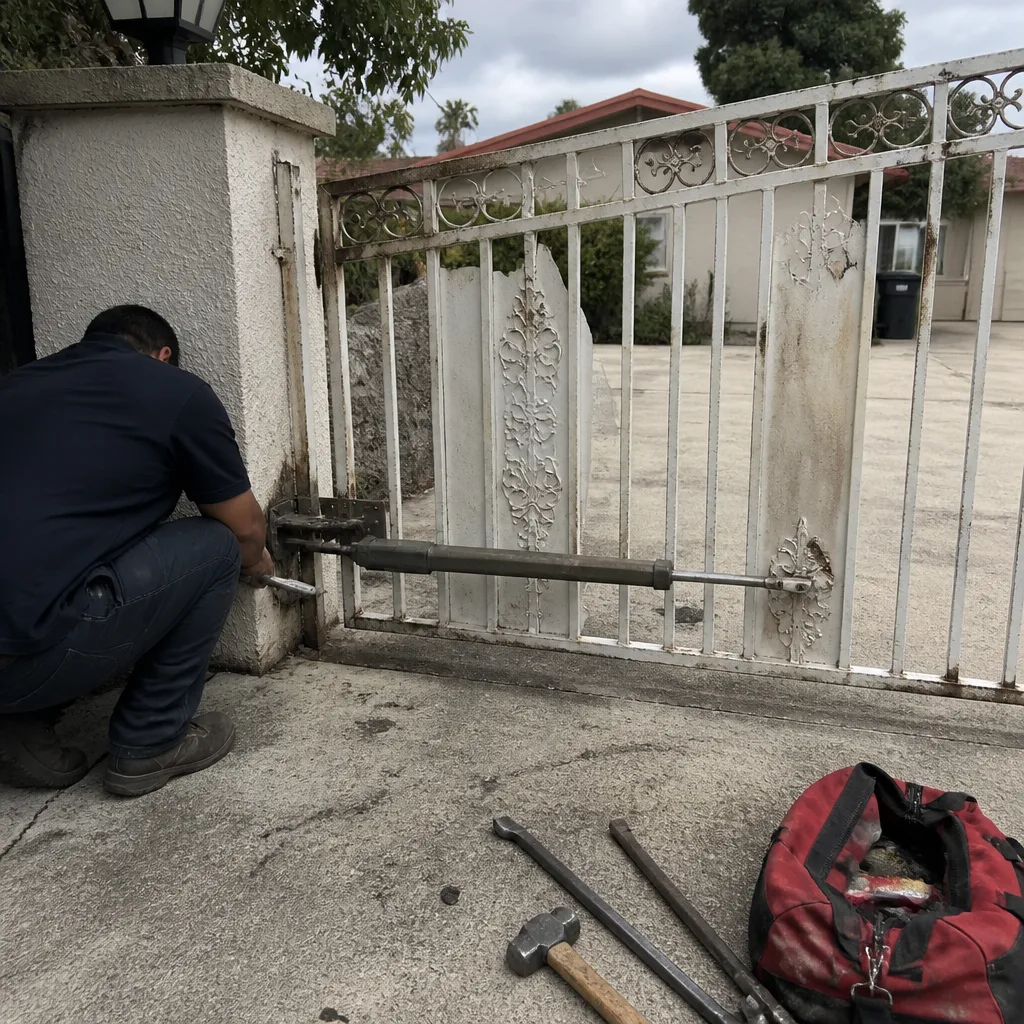 Before
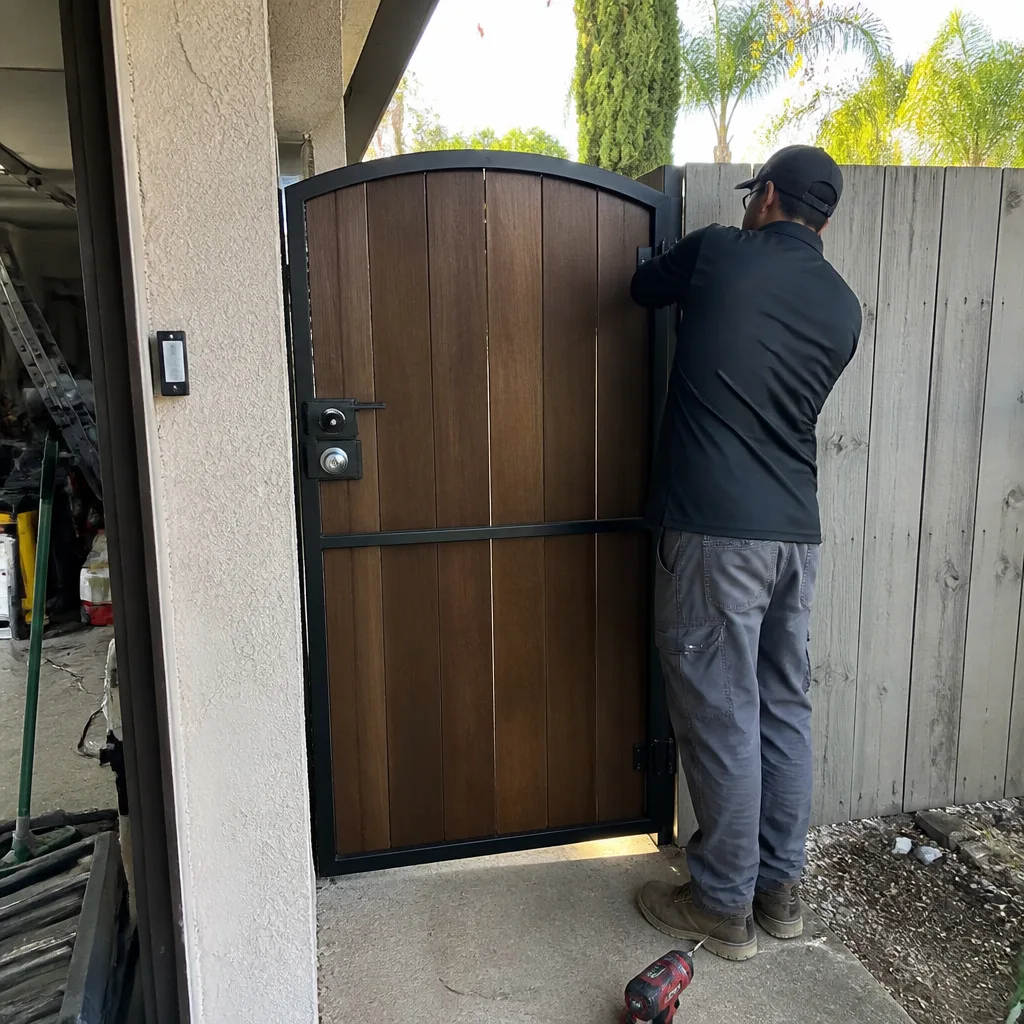 After
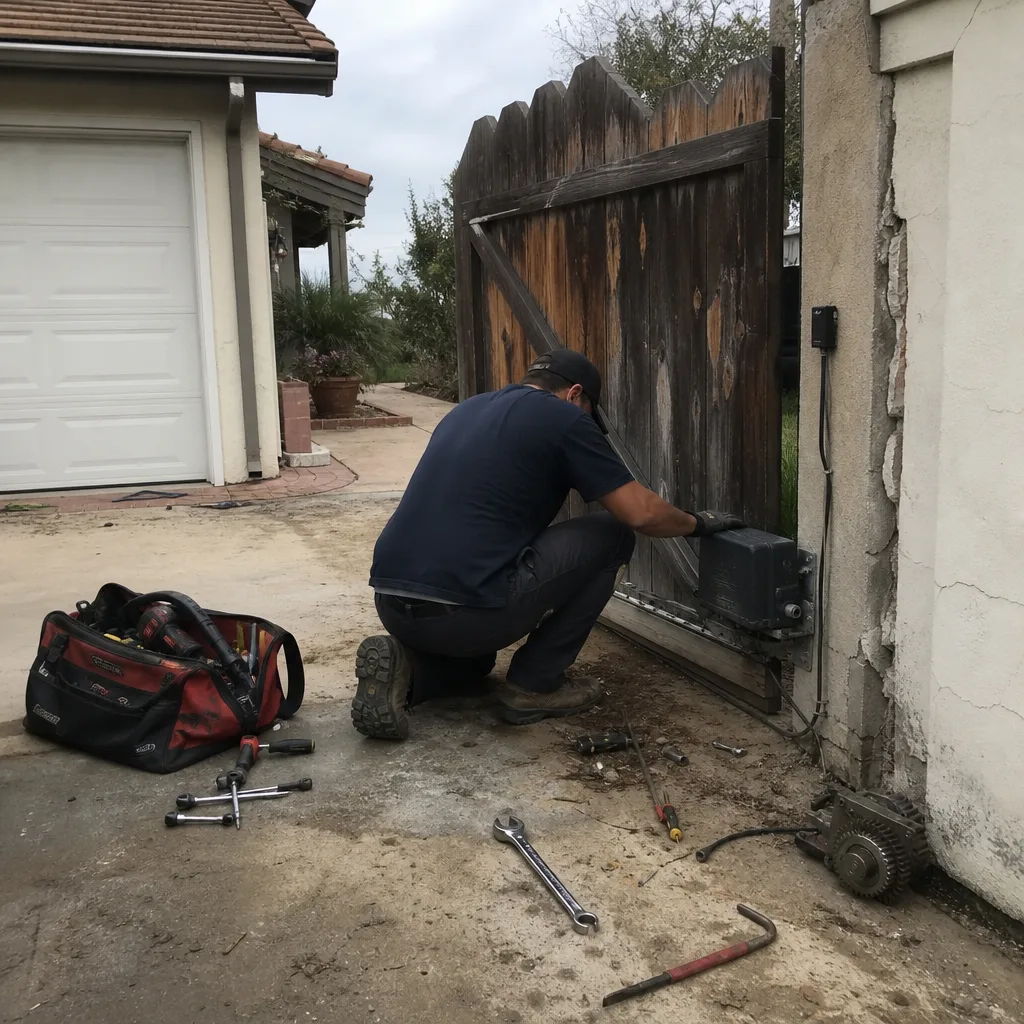 Before
 After
 Before
 After