
Last updated November 2, 2026
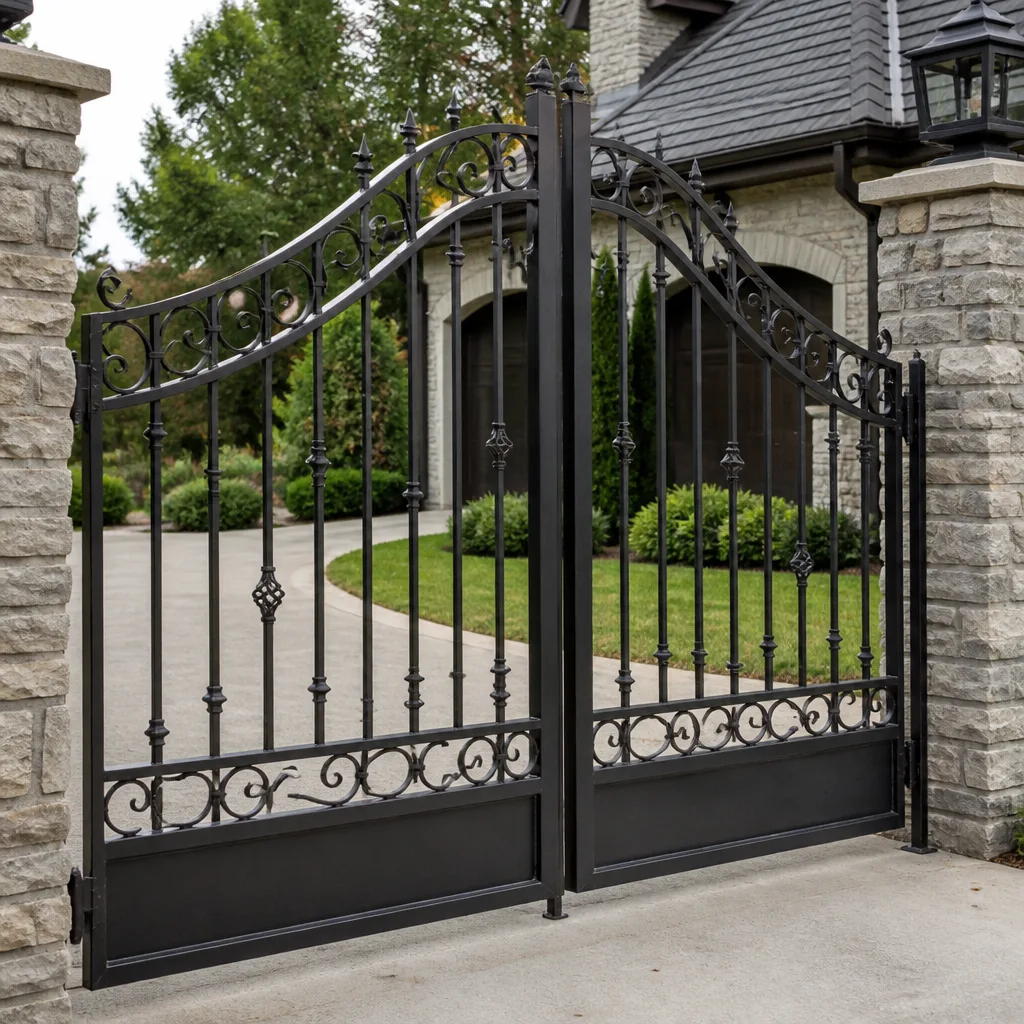 Wrought iron
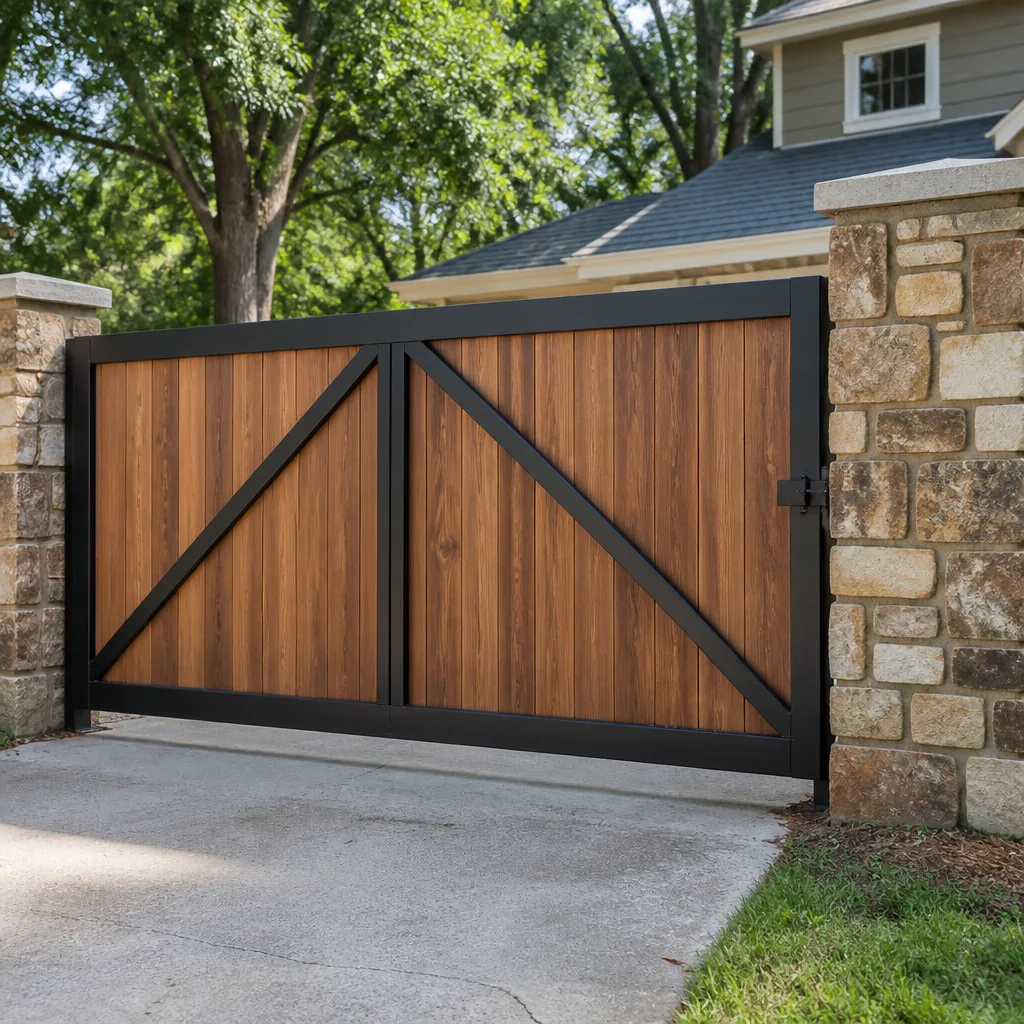 Wood & steel frame
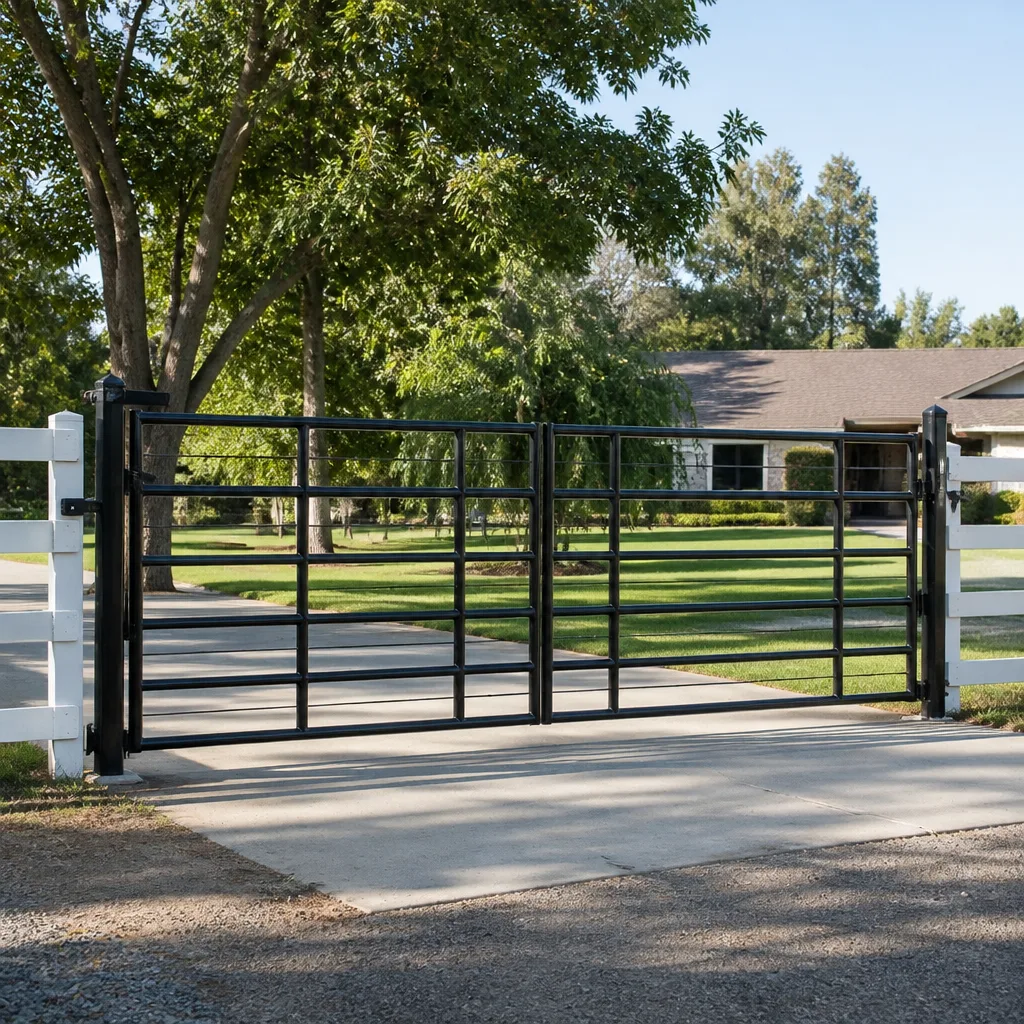 Farm & ranch
 Sliding driveway gates
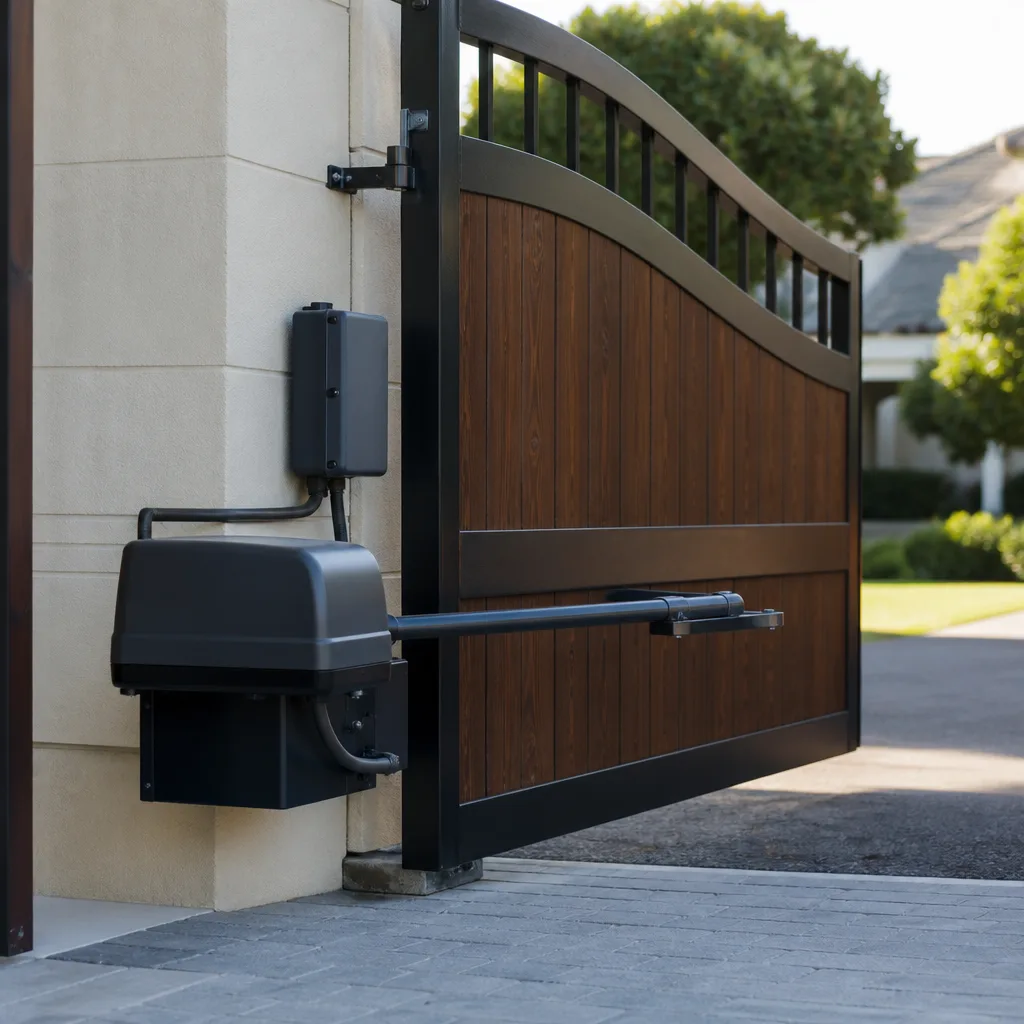 LiftMaster operators
Free on-site gate assessment - hinges, posts, and your LiftMaster or Nice gate operator checked before anything is quoted
The assessment is free and the quote is the invoice.
Get your free estimateGate Repair Emergency Preparedness Guide for San Marcos Homes
The most dangerous gate emergency isn’t a gate stuck open. It’s a gate stuck open at 11 PM when you don’t know if your operator can be manually overridden without damaging the drive system. Every year in San Marcos, homeowners discover their gate’s manual release for the first time while standing in the dark, flashlight in one hand and a vague operator manual PDF on the other. This guide changes that. You’ll learn the two distinct emergency types, the exact manual release procedures for the operators most common in San Marcos, how to secure a gate that won’t close, and what to have ready before you ever need to make the call. For ongoing care, see our Gate Repair Maintenance Checklist for San Marcos Homeowners.
Quick Answer
Gate emergencies in San Marcos fall into two categories: the gate that won’t open (you’re trapped or locked out) and the gate that won’t close (a security breach). Each requires a different immediate response. This guide gives you a pre-planned action protocol for both, specific to the operator brands most common in San Marcos, so you’re not making decisions under pressure. If your gate fails right now, call (877) 798-8589 for same-day emergency service in San Marcos.
Styles & brands we work with
- Wrought iron
- Wood & steel frame
- Farm & ranch
- Sliding driveway gates
- LiftMaster operators
Table of Contents
- The Two Gate Emergencies: Open Failure vs. Close Failure
- Manual Release Procedures by Operator Brand
- Securing a Gate That Won’t Close
- Power Outage Protocol for San Marcos Homes
- The Pre-Emergency Prep Checklist
- What to Have Ready When Calling for Emergency Service
- Common Mistakes to Avoid
- When to Call a Professional
- Frequently Asked Questions
The Two Gate Emergencies: Open Failure vs. Close Failure
A gate that won’t open and a gate that won’t close are not the same problem. They don’t share the same causes, they don’t require the same immediate response, and they don’t carry the same risks. Treating them as interchangeable is the first mistake most homeowners make in San Marcos, and it’s a mistake that can turn a minor repair into a serious security exposure or a damaged operator.
The gate that won’t open is a mobility and access emergency. You can’t get your car out of the driveway. You can’t leave for work. If the gate is your only vehicle exit, you’re effectively trapped until you can manually override the operator. This emergency is urgent, but it’s also relatively contained: your property remains secure, and the gate is usually not damaging itself while it sits idle. The failure points for an open failure are typically the operator motor, the control board, a failed capacitor, a dead remote or keypad battery, a blown fuse, or a physical obstruction in the gate’s path. In our experience across San Marcos, the most common open failure on residential systems is a dead capacitor or a failed control board, not a broken gate arm or hinge.
The gate that won’t close is a security emergency. Your property is now open to the street. In San Marcos neighborhoods from San Elijo Hills to Rancho Santa Fe Road, an open driveway gate signals an unprotected property. This emergency is measured differently: you need the opening closed or blocked immediately, even if that means disconnecting the operator and securing the gate manually. The failure points for a close failure are usually different from an open failure: a misaligned photo eye or safety edge, a failed loop detector that no longer senses your car, a limit switch that’s out of adjustment, or an obstruction sensor that’s been triggered by debris. The operator may actually be fine; the safety system is doing its job and refusing to close because it detects something in the path.
Here’s why this distinction matters: if a gate won’t close, manually forcing it closed with the operator still engaged can strip gears, burn out motors, and bend the gate arm. If a gate won’t open, yanking on it can damage the operator’s internal release mechanism. Knowing which emergency you’re dealing with determines your entire response.
Manual Release Procedures by Operator Brand
Every automatic gate operator has a manual release mechanism. It disconnects the gate from the drive motor so the gate can be pushed by hand. The problem is that the release mechanism looks different on every brand, and if you’ve never done it before, finding it in an emergency is guesswork. Here are the manual release procedures for the three operator brands we see most often on residential gates in San Marcos: LiftMaster, Mighty Mule, and FAAC.
Note: These procedures are for the swing and slide gate operators most common in San Marcos residential applications. If you have a commercial-grade operator or a custom installation, the procedure may differ.
LiftMaster Swing Gate Operator
- Locate the operator housing. On swing gates, this is the box mounted on the gate post or the gate itself near the hinge side.
- Look for the manual release handle or key. Most LiftMaster residential swing operators have a round keyhole on the top or side of the housing.
- Insert the operator key (typically attached to the operator or provided with your installation documents) and turn it 90 degrees. You’ll feel a mechanical disengagement.
- On some LiftMaster models, the release is a pull handle instead of a key. Pull the handle straight out until it stops.
- Once disengaged, push the gate by hand slowly. It should move freely. If it doesn’t, there may be a physical obstruction or a mechanical failure in the hinge or gate itself.
- To re-engage, reverse the procedure: turn the key back or push the handle in, then move the gate by hand until you feel the drive re-engage with an audible click.
Mighty Mule Swing Gate Operator
- Identify the operator arm. Mighty Mule operators on residential gates in San Marcos are typically installed as a linear arm connected to the gate and the post.
- Look at the top of the operator arm where it connects to the gate bracket. There is a small release pin or a twist-release collar.
- On older Mighty Mule models, pull the release pin straight up and out. The pin is usually attached by a small chain or cable.
- On newer Mighty Mule models, rotate the release collar counterclockwise until it stops. This disengages the drive.
- Push the gate by hand. It should swing freely.
- To re-engage, line up the holes and reinsert the pin, or rotate the collar clockwise until it locks.
FAAC Swing Gate Operator
- Locate the operator. FAAC operators are typically mounted inside a metal housing at the base of the gate.
- Open the housing with the provided key. Inside, you’ll see the hydraulic or electromechanical operator with a manual release lever.
- On FAAC hydraulic operators, the manual release is a small metal lever or knob on the operator body. Turn it counterclockwise to open the bypass valve.
- Once the bypass valve is open, the gate can be moved by hand with moderate effort.
- To re-engage, close the bypass valve by turning the lever or knob clockwise until tight. Do not over-tighten.
Important: If any of these procedures feels forced, stop. Continuing can break the release mechanism or strip the drive gears. You can always secure the gate in its current position and wait for a professional. For emergency gate repair in San Marcos, Gate Repair in San Marcos is available to walk you through the manual release over the phone or dispatch a technician.
Securing a Gate That Won’t Close
A gate stuck open at night is a genuine security emergency. Your first priority is to close the opening, not to fix the operator. Here’s the protocol, in order.
Step 1: Disengage the Operator First
Before you attempt to move the gate manually, disengage the operator using the procedure for your brand in the section above. Never push a gate that’s still connected to the drive system. The resistance you feel is the motor and gearbox, and forcing it can cause irreparable damage. This is the single most common mistake we see in San Marcos: homeowners push the gate against the drive, and the operator ends up with stripped gears on top of the original failure.
Step 2: Clear the Gate Path
Check the gate’s travel path for obstructions. Rocks, branches, children’s toys, or a car parked too close can trigger the safety system and prevent the gate from closing. In San Marcos, wind-blown debris from the coastal hills regularly interferes with gate safety sensors. Clear the path and try closing the gate manually.
Step 3: Manual Close and Secure
With the operator disengaged, push the gate closed by hand. Once closed, secure it with a chain, padlock, or a heavy-duty carabiner through the gate frame and the post. Do not rely on the operator’s locking mechanism if the operator is disengaged; it won’t hold. For sliding gates, use a length of chain around the gate frame and a fixed post.
Step 4: Leave the Operator Disengaged
Keep the operator disengaged until a technician arrives. Re-engaging a malfunctioning operator can cause it to run uncontrolled, which is a safety hazard. If you have a battery backup, leave it connected but disengage the mechanical drive. For emergency service in San Marcos, our Electric Gate Repair in San Marcos technicians can diagnose the safety sensor, loop detector, or limit switch failure and restore automatic operation.
Power Outage Protocol for San Marcos Homes
San Marcos experiences its share of power interruptions, from rolling brownouts during hot inland summers to wind-related outages during Santa Ana events. How your gate responds during a power outage depends on whether it has battery backup and what type of operator you have.
Operators Without Battery Backup
Most budget residential operators, including many Mighty Mule and older LiftMaster models, have no battery backup. When power fails, the gate simply stops working. It will typically remain in whatever position it was in when power cut. To move it, use the manual release procedure. The gate will not resume automatic operation until power is restored.
Operators With Battery Backup
Higher-end residential and commercial operators in San Marcos often include a battery backup system. These systems are designed to hold the gate operational for a limited number of cycles during a power outage, typically 10 to 50 cycles depending on the battery capacity and gate weight. When the battery is depleted, the gate stops responding entirely. At that point, the manual release is your only option.
What to Do When Backup Power Is Also Depleted
- Disengage the operator using the manual release.
- Move the gate manually to the desired position, either open if you need vehicle access or closed and secured if you have a security concern.
- Leave the gate disengaged. Do not re-engage until power is restored and you’ve confirmed the operator is functioning normally.
- If the gate remains disengaged and power returns, the operator may attempt to reset itself. Some models will run a self-test cycle, which can be unexpected. Keep clear of the gate’s path.
One practical recommendation: if your San Marcos home has an automatic gate and you experience occasional power outages, test your manual release procedure once before you need it. The ten minutes it takes on a Saturday afternoon is the difference between a controlled response and a flashlight-at-midnight discovery. If you’re unsure whether your gate has battery backup or how it behaves during power loss, a Gate Repair San Marcos home inspection can include this assessment.
The Pre-Emergency Prep Checklist
The best gate emergency is the one where you already know the answers. Here are the three things every San Marcos homeowner with an automatic gate should do this week.
1. Locate and Test Your Manual Release
Find your operator manual, or look up your operator model online. Identify the manual release mechanism using the brand-specific procedures above. Test it once: disengage, push the gate a few feet, re-engage. If it doesn’t work smoothly, that’s a problem to solve before an emergency, not during one.
2. Document Your Operator Model and Serial Number
Write down the brand and model number of your operator. The model number is typically on a sticker on the operator housing or on the control board inside. Also note the location of the control box and whether there’s a separate battery backup unit. Having this information ready when you call for emergency service saves the technician a diagnostic step and helps them arrive with the right parts.
3. Identify Your Emergency Contact
Store one phone number in your phone and on a card near your control box: the number of a Gate Repair specialist in San Marcos. When a gate fails at 11 PM, you don’t want to be searching online. For San Marcos homeowners, that number is (877) 798-8589.
Beyond these three items, consider these additional preparations:
- Battery replacement schedule: Operator batteries and backup batteries degrade over time. Check your operator’s recommended replacement interval. In San Marcos’s warm climate, batteries in outdoor housings tend to fail faster than manufacturers’ estimates.
- Photo eye alignment check: Once every two months, verify the photo eye sensors are aligned and clean. A simple wipe-down prevents a significant share of “gate won’t close” failures.
- Gate hardware inspection: Check hinges, gate wheels, and tracks for wear. A gate that’s out of alignment puts strain on the operator and leads to early motor failure.
What to Have Ready When Calling for Emergency Service
When you call for emergency gate service in San Marcos, the technician will need specific information to diagnose the problem and arrive prepared. Here’s what to have in hand.
1. Operator Brand and Model Number
This is the single most useful piece of information. The model number tells the technician what manual release system you have, what control board is installed, and what parts are likely needed. The model number is usually on a sticker on the operator housing, or on the control board inside the control box.
2. A Symptom Description
Describe the failure in operational terms, not diagnostic language. “The gate stopped opening after a power bump and now makes a humming noise but doesn’t move” tells a technician much more than “the gate is broken.” Include: when the failure occurred, whether it was sudden or gradual, whether there were any preceding events (power outage, storm, impact), and what sounds or movements the gate makes when you try to operate it.
3. Your Remote and Keypad Status
Does the remote do anything at all? Does the keypad beep or flash? Do the photo eye sensors show a colored light? This information narrows the diagnostic path. If the tech asks you to test the gate while on the phone, follow their instructions: they may ask you to observe a specific light, listen for a click, or watch whether the gate moves a few inches before stopping.
4. Gate Position and Security Status
Tell the technician whether the gate is stuck open, stuck closed, or partially open. Let them know if you’ve already disengaged the operator and manually secured the gate. This determines the urgency level and the technician’s approach.
5. Access Details
If the technician needs to access the control box, the operator housing, or both, make sure those areas are clear. In San Marcos, many control boxes are mounted on the side of the house or on a gate post behind landscaping. Clear the vegetation and have the key for any locked housing available.
Armed with this information, a specialist can often diagnose the issue over the phone and arrive at your San Marcos property with the right parts on the first visit. That’s the difference between a same-day repair and a second appointment.
Common Mistakes to Avoid
- Forcing a gate that’s still connected to the operator. This is the number one self-inflicted damage we see. When the operator is engaged, the gate fights back, and the operator loses. Always disengage via the manual release before pushing the gate by hand.
- Calling a generalist handyman for an electric gate failure. Gate operators have brand-specific control boards, proprietary wiring, and safety systems that generalists routinely misdiagnose. A specialist eliminates the guess-and-replace cycle.
- Re-engaging the operator after manually moving the gate and then immediately testing it. If the original fault is still present, the operator may run uncontrolled, with the gate crashing into its limits. Leave it disengaged until the fault is cleared.
- Ignoring a gate that opens or closes intermittently. Intermittent failures are early warnings, not one-off glitches. They often indicate a failing capacitor, a loose connection, or a sensor that’s about to die. Addressing them before the full failure prevents the midnight emergency.
- Blocking the photo eye pair to get the gate to close. Some homeowners bypass the safety sensors by covering or aiming them away. This defeats a critical safety system and creates a real injury hazard for children and pets. Never bypass safety equipment.
- Waiting to learn the manual release until an emergency happens. Back to the central thesis: the manual release is the one procedure you want to know before you need it. Test it this week.
- Assuming battery backup means unlimited operation. Battery backup is for a limited number of cycles. Once depleted, the gate is dead until power returns. Know your backup’s limits before relying on it.
When to Call a Professional
Some gate failures are simple: a dead remote battery, a tripped circuit breaker, a small obstruction in the track. Those you can handle yourself. But the following scenarios warrant a professional call without delay. If the gate makes a humming noise but won’t move, the operator motor or capacitor is failing. If you hear grinding or metallic scraping, there’s a mechanical or gear problem inside the operator. If the gate moves only a few inches before reversing, the safety sensors or limit switches are malfunctioning. If the gate is completely unresponsive from both the remote and keypad, the control board is suspect. And if you’ve already injured your back or strained something trying to push a disengaged gate, stop, it’s not worth it. For more help, browse our more guides & resources. Gate Repair San Marcos offers free estimates in San Marcos. Call (877) 798-8589.
Frequently Asked Questions
Disengage the operator using your manual release procedure, then push the gate open by hand. If you can’t find or operate the manual release, call (877) 798-8589 for emergency gate repair in San Marcos. Do not force the gate while the operator is still engaged.
LiftMaster swing gate operators have a key release or pull handle on the operator housing. Insert the key and turn 90 degrees, or pull the handle straight out, then push the gate by hand. Re-engage by reversing the procedure. If it feels stuck, call a professional rather than forcing it.
Yes. Leaving the operator disengaged while you secure the gate manually is the correct approach when the operator has failed. Just secure the gate with a chain, padlock, or heavy-duty carabiner so it stays closed. Never leave a disengaged gate unsecured.
Emergency gate repair in San Marcos typically costs between $150 and $400 depending on the failure point: a capacitor replacement runs on the lower end, a control board replacement on the higher end. A sensor or limit switch replacement falls in the middle. Before starting any work, check Gate Repair Permits, Codes & Inspections in CA: What You Need to Know. For an exact quote, call (877) 798-8589, estimates are free.
A gate that opens but won’t close usually has a safety sensor problem: misaligned photo eyes, a dirty sensor lens, a failed safety edge, or a loop detector that isn’t sensing your car. The operator is likely doing its job by refusing to close when it detects an obstruction. Check for debris in the gate path, then call for sensor diagnosis if the problem persists.
Gate Repair San Marcos works on systems from at least nine major brands including LiftMaster, FAAC, BFT, Linear, Viking, Ghost Controls, DoorKing, Elite, and Mighty Mule. The team is brand-agnostic, which means we diagnose root causes rather than defaulting to unnecessary part replacements. Gate Installation in San Marcos is also available for replacement and new installation.
The Bottom Line
Gate emergencies in San Marcos are predictable in their patterns, even when the specific failure isn’t predictable. The gate that won’t open traps you, the gate that won’t close exposes you, and both have specific, learnable responses. Manual release procedures by brand, a secure-and-wait protocol for open gates, power outage behavior by operator type, and a pre-emergency checklist: these four things convert a midnight crisis into a manageable situation. Do the preparation now: locate your manual release, test it, document your operator model, and store (877) 798-8589 in your phone. The best emergency response is the one you never have to improvise.
Written by the team at Gate Repair San Marcos, serving San Marcos since 2011.
See the difference
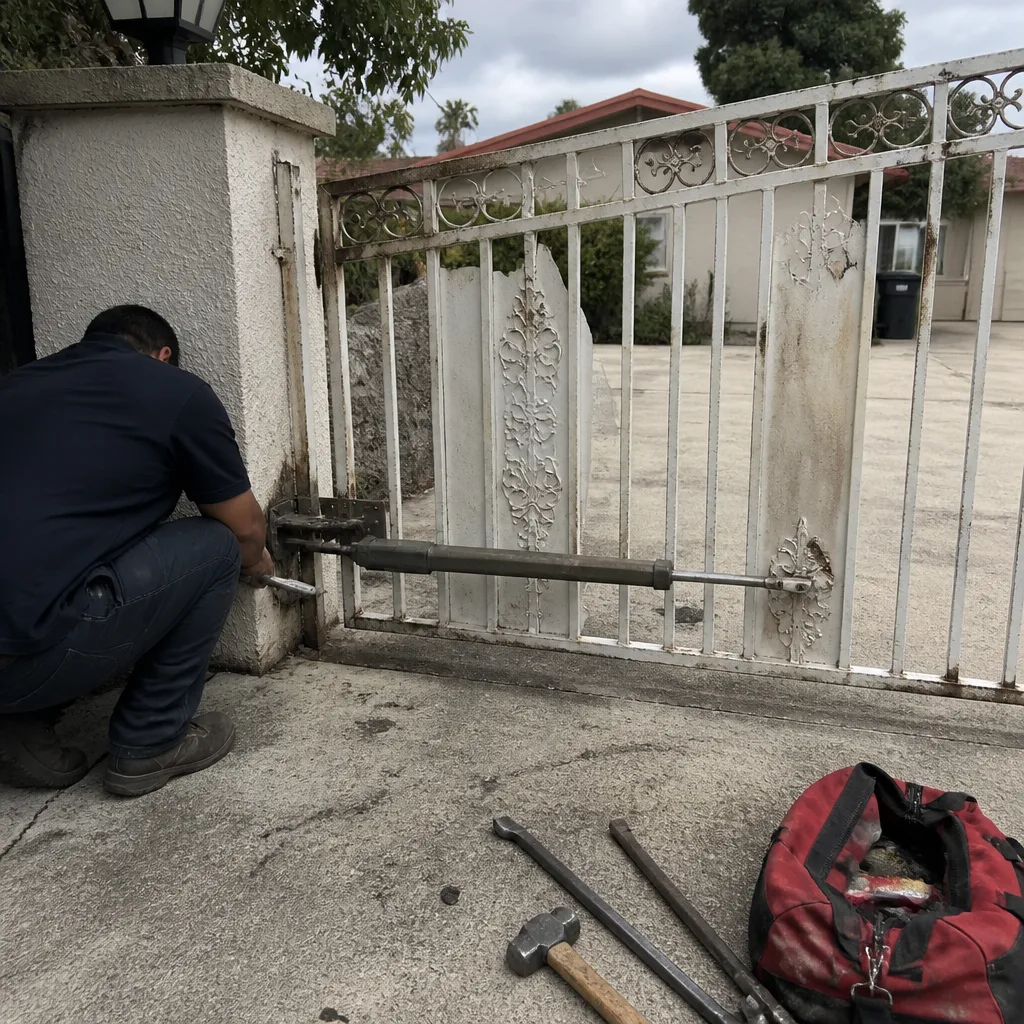 Before
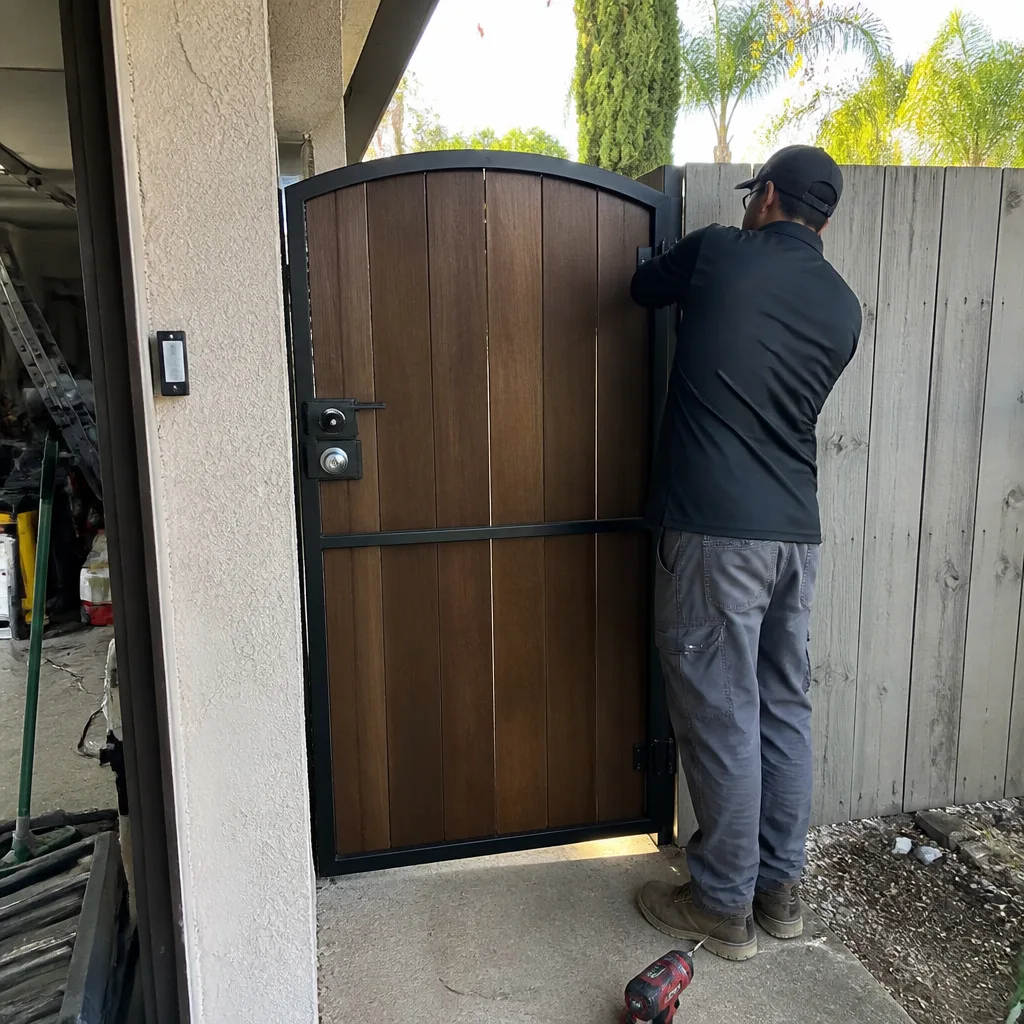 After
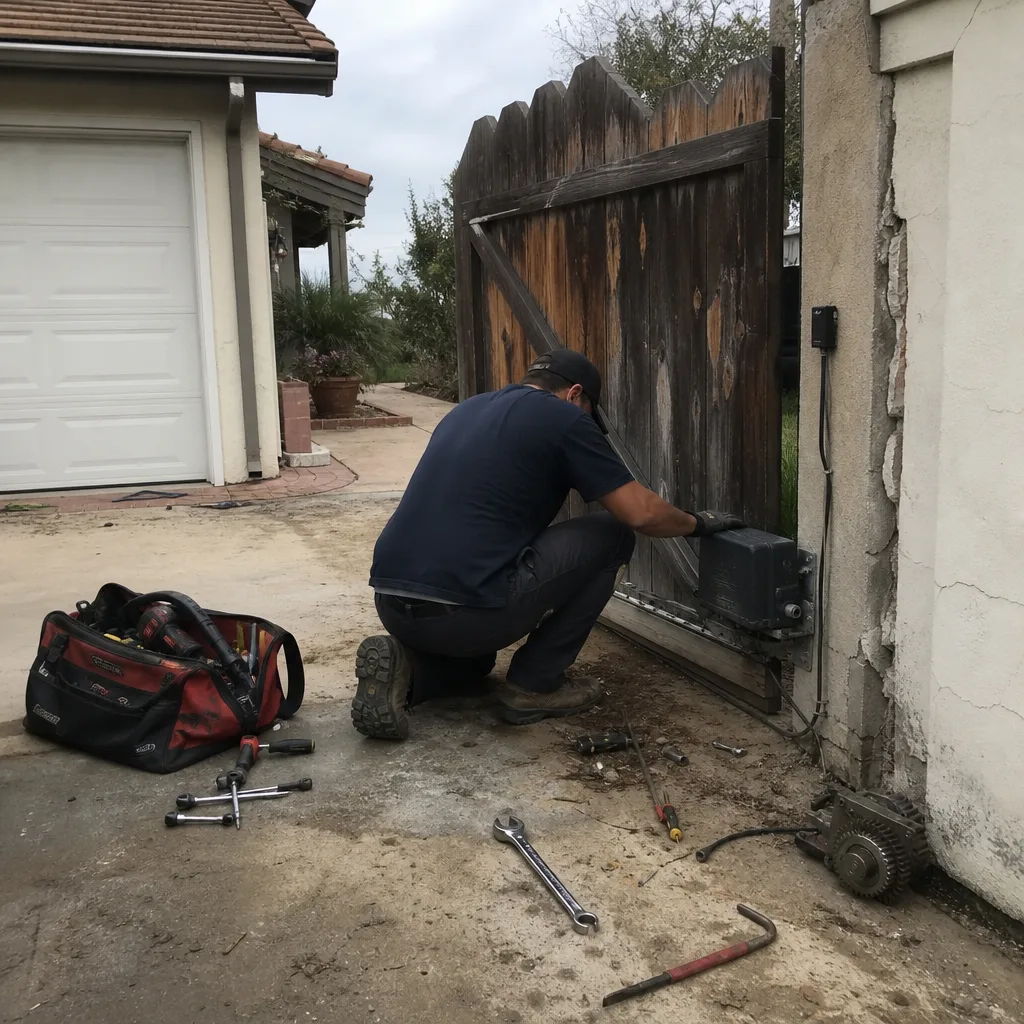 Before
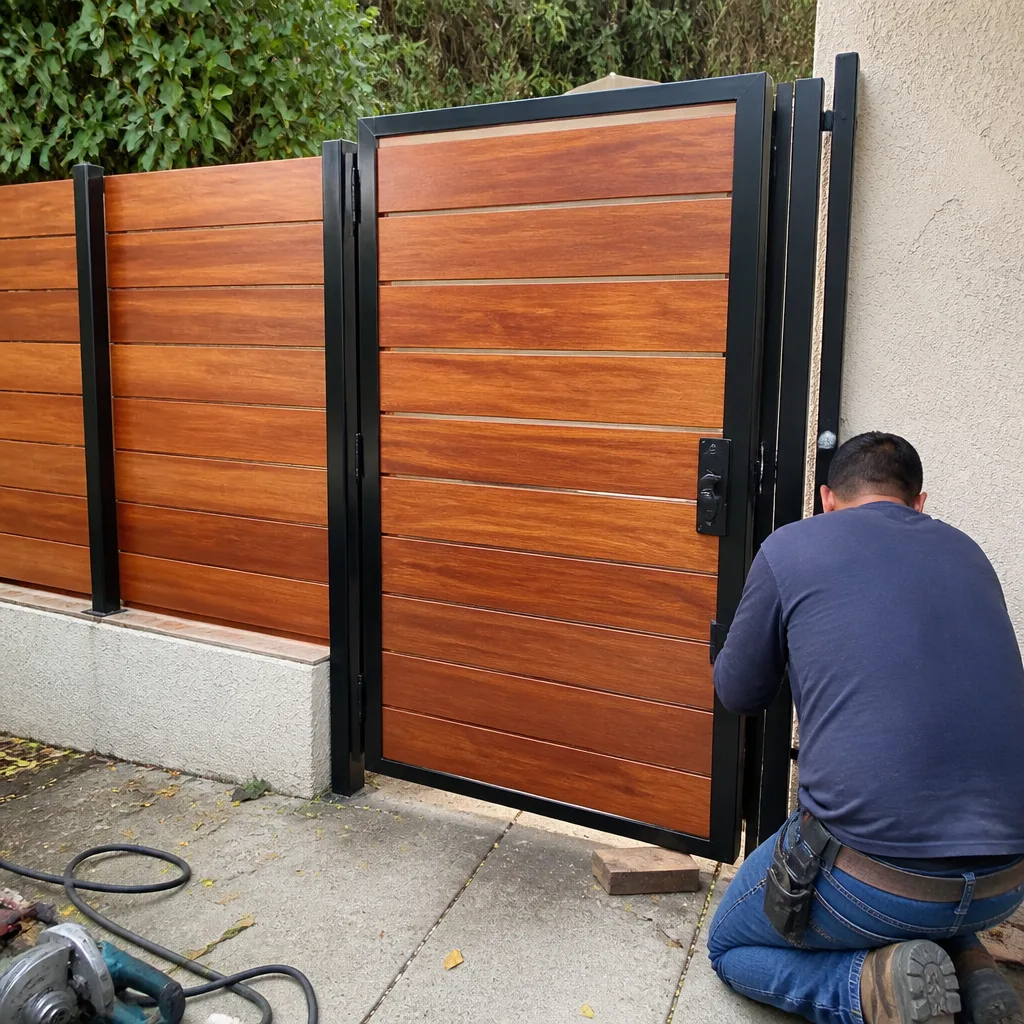 After
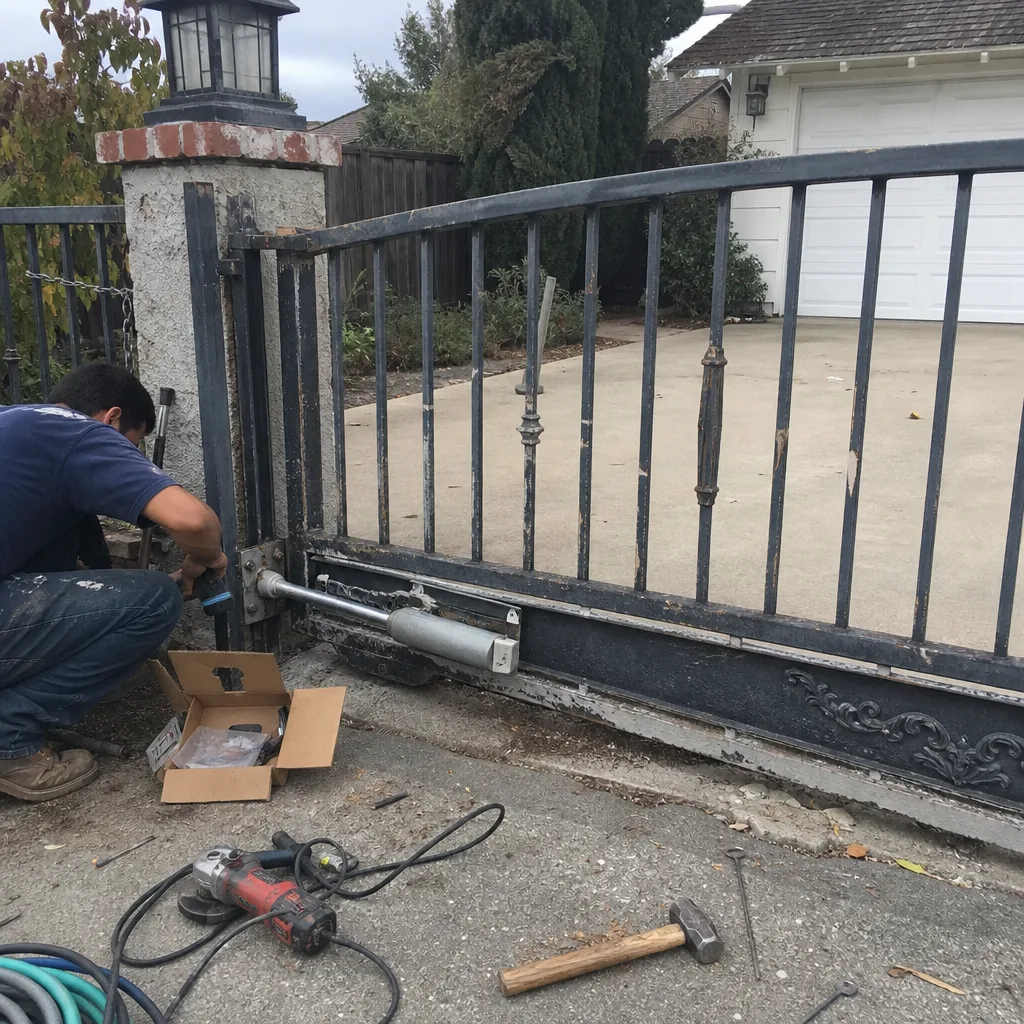 Before
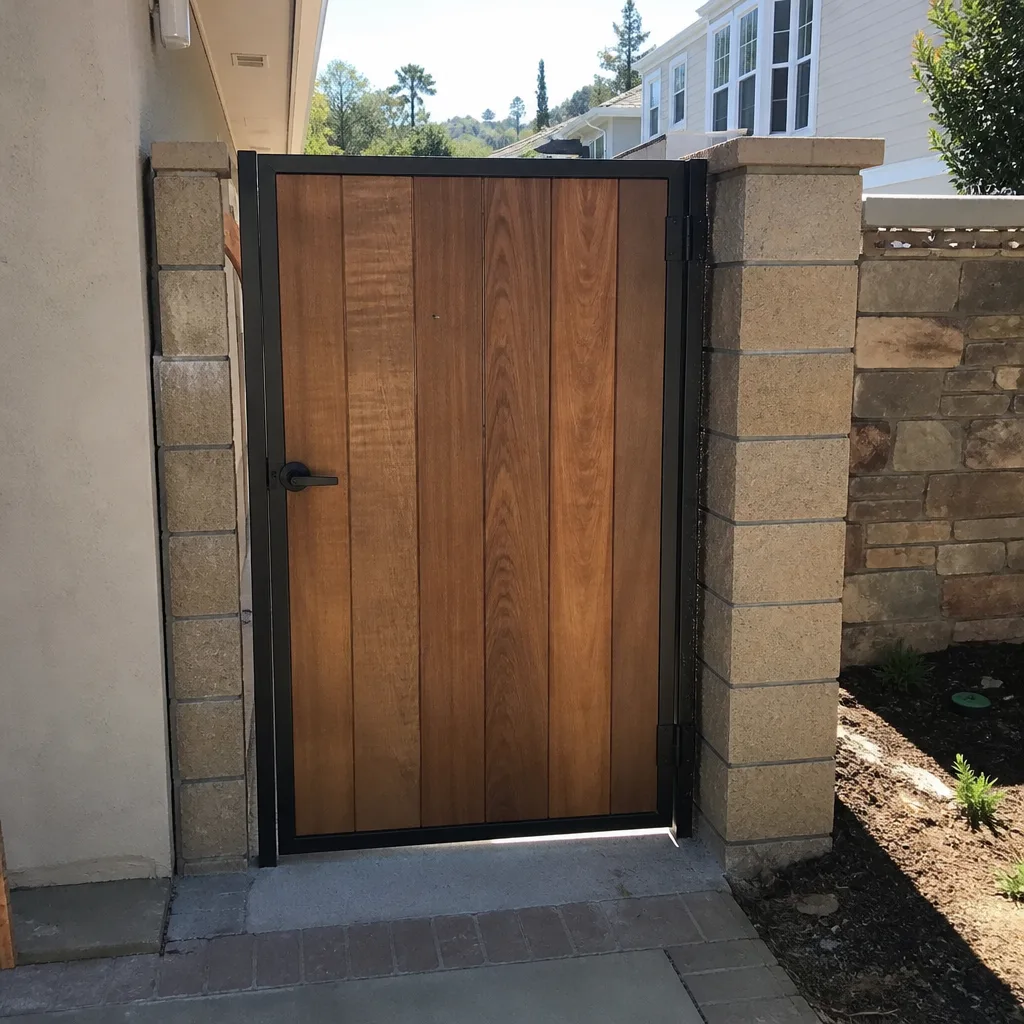 After